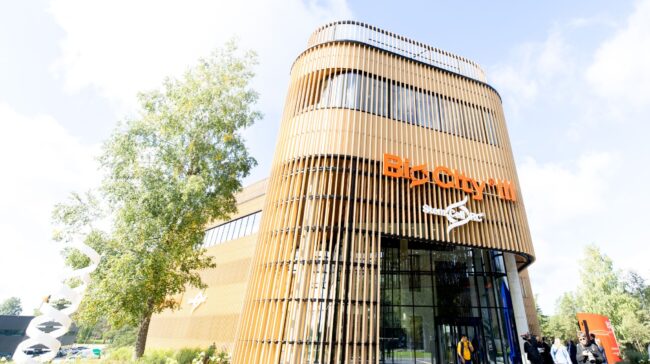
Vilnius is strengthening its position as one of the leading life sciences hubs in the Baltic region. A new innovative Cell Therapy and Personalised Medicine Centre is being completed at the Vilnius City Innovation Industrial Park, in Vismaliukai, and is set to open in the third quarter of 2026.
The 3,500 sq. m facility represents an investment of €61 million and is being developed by the Stem Cell Research Centre, part of the Northway group of companies. The centre is located in the Bio City III area, where Lithuania is consistently expanding a modern biotechnology and advanced medicine cluster.
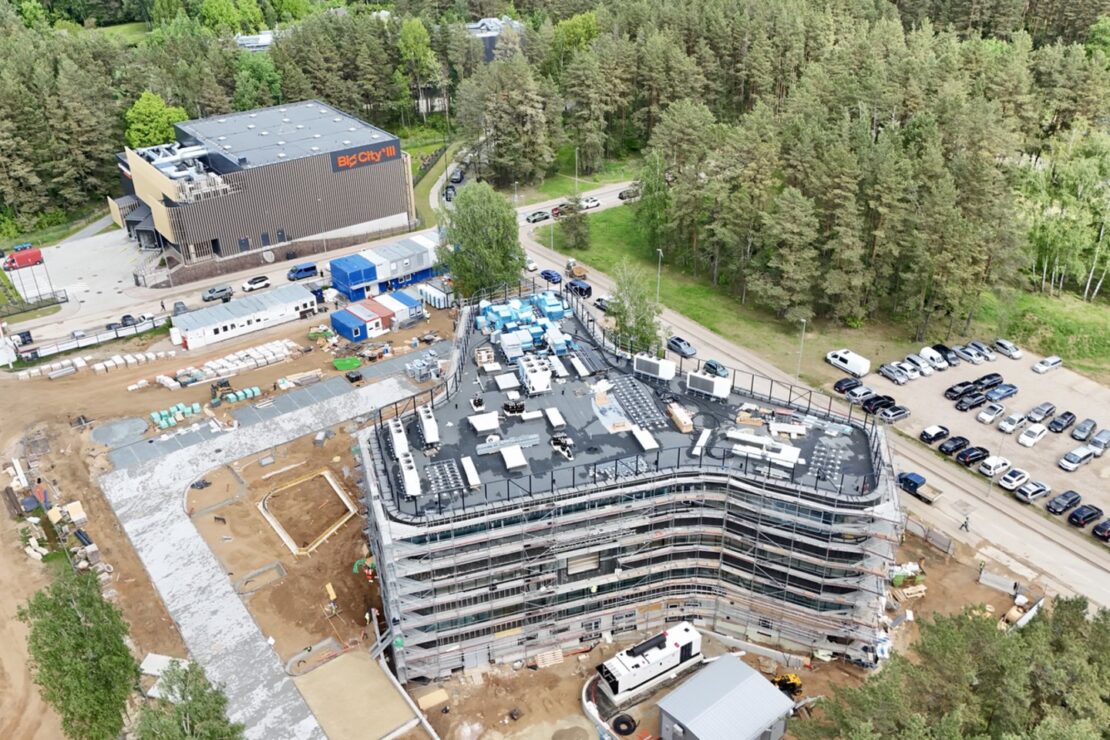
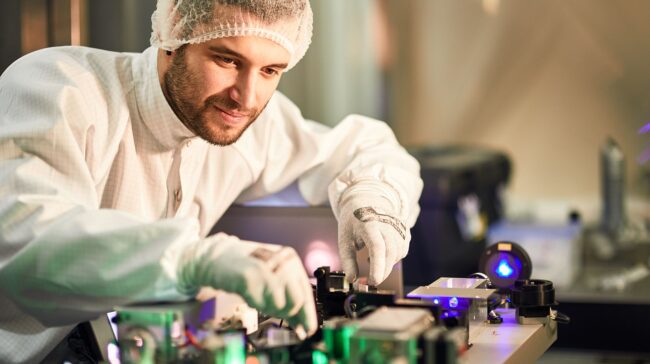
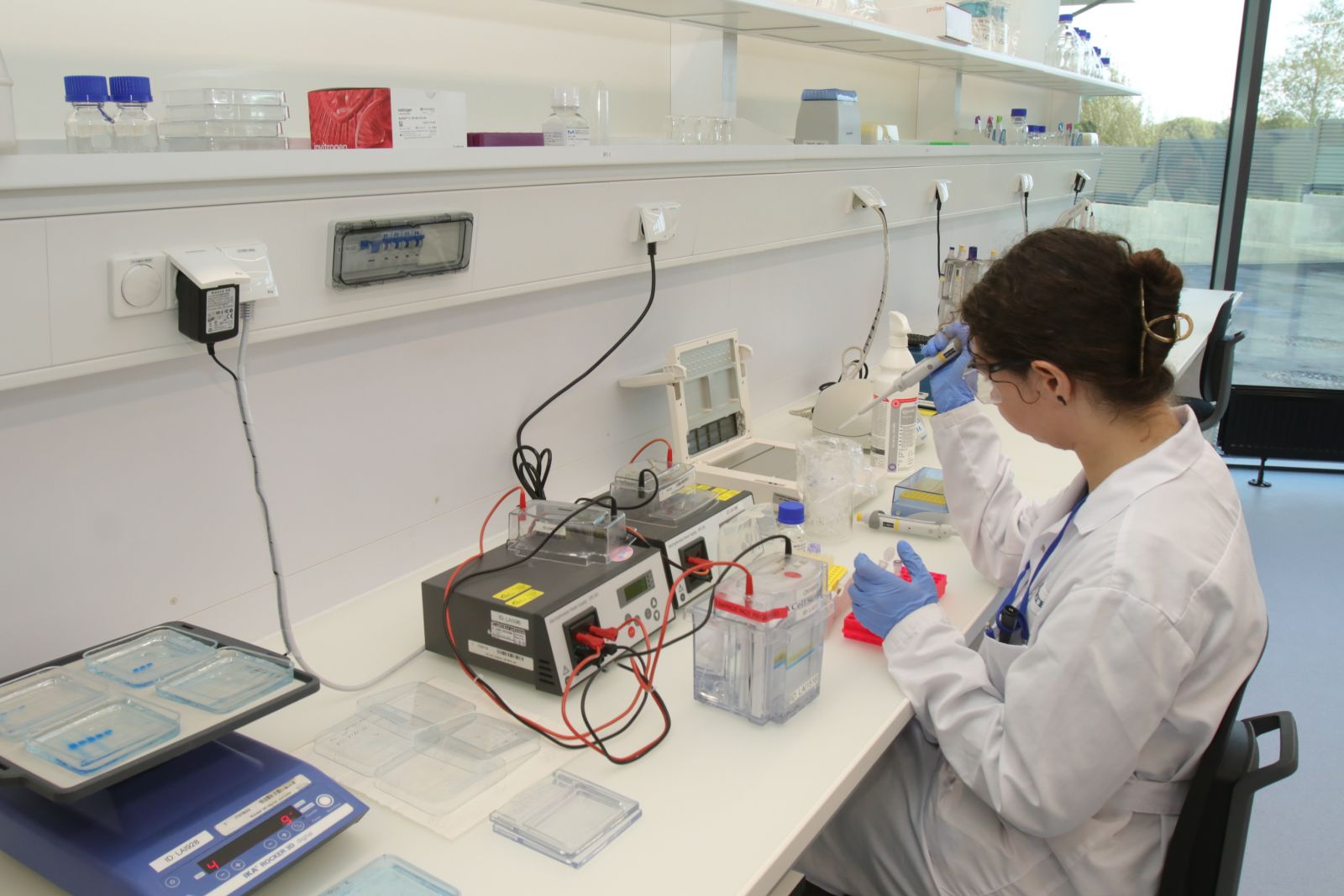
The new centre will house 20 independent Good Manufacturing Practice-compliant production lines, integrated quality control laboratories, advanced cleanroom systems and isolated infrastructure designed for highly sensitive cell therapy production. This will make it possible to manufacture personalised therapies for different patients safely and efficiently at the same time, while ensuring sterility, full traceability and strict control of cross-contamination risks.
Around 100 highly qualified specialists in biotechnology, bioengineering, molecular biology and other life sciences fields are expected to work at the centre.
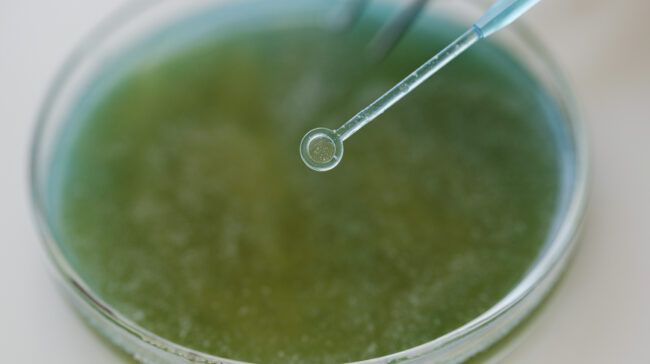
A key focus of the facility will be personalised medicine, including advanced therapies such as CAR-T, where a patient’s own cells are modified and used for treatment.
“Medicine has been changing fundamentally in recent years. We are moving towards full personalisation, where the medicine becomes the person’s own modified cells,” says Prof. Vladas Algirdas Bumelis, entrepreneur and project lead.
According to Prof. Bumelis, one of the key challenges in this field is the limited production capacity for highly advanced therapies. While CAR-T therapies are already used in university hospitals, their production is complex and often limited in scale. The new centre in Vilnius is designed to address this challenge by creating large-scale contract manufacturing infrastructure for university hospitals, international biotechnology companies, pharmaceutical companies and research centres.
The centre will also support the development of regenerative medicine, therapeutic vaccines tailored to individual patients, healthy longevity solutions and 3D human tissue technologies. In the future, these technologies could be used for testing new medicines, developing tissue regeneration solutions and, in the longer term, creating artificial organs.
An important advantage of the new facility is its integration with the nearby Celltechna Gene Therapy Centre, which has been operating in the Bio City II complex since 2024. The concentration of these capabilities in one area will help shorten the biological medicines production chain – from the preparation of genetic material to the final cell therapy product.
The project marks another important step in Lithuania’s ambition to become a high-value life sciences economy. Lithuania aims for the life sciences sector to generate up to 5% of the country’s GDP in the future.
This text is based on the press release.