Although fatal drownings in Lithuania are declining, the country still records one of the highest drowning death rates in Europe. As warmer weather approaches and the bathing season begins, the issue once again becomes urgent.
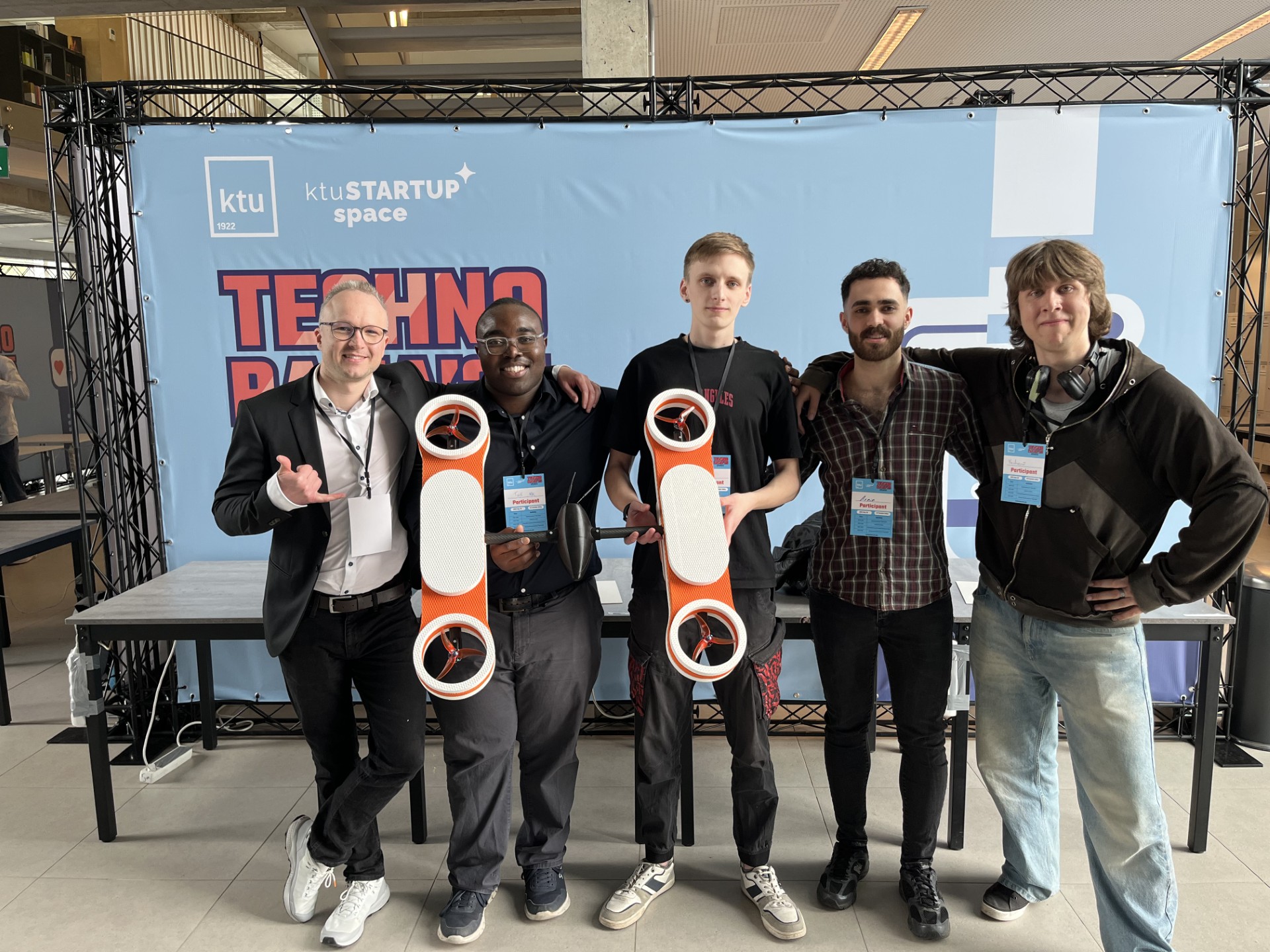
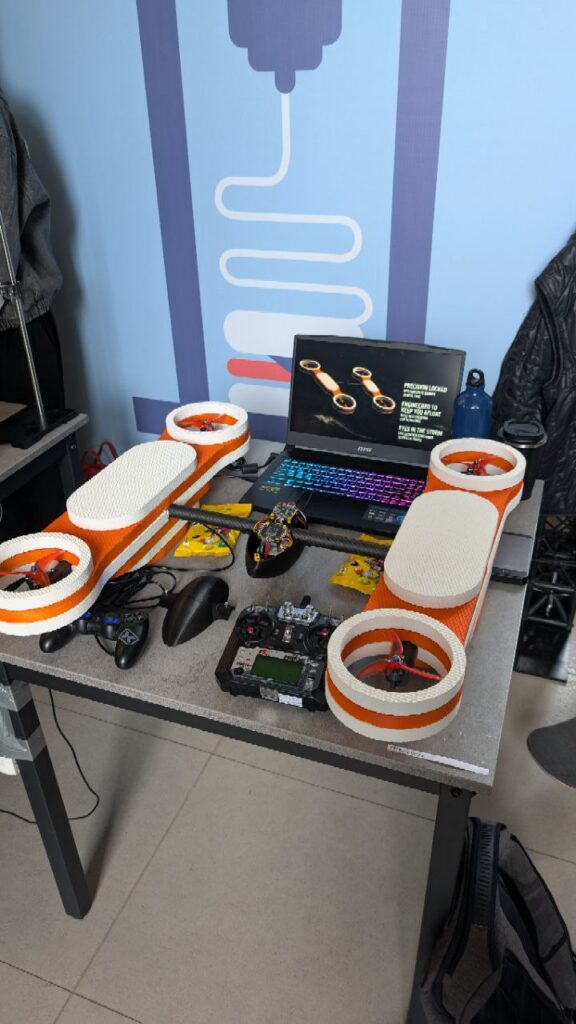
A team of international students at Kaunas University of Technology (KTU) has developed a Buoy Drone – a semi-automated water drone designed to detect people in distress and reach them faster than human help can arrive.
“Our aim is to help save the lives of people in danger,” says Tadiwanashe Mkonto, a KTU mechatronics student from Zimbabwe.
The project was presented at KTU’s innovation exhibition Technorama 2025, where it won the Rector’s Prize. The team brought together students from civil engineering, mechanics, robotics and mechatronics, each contributing their expertise.
Faster response when every second matters
The idea emerged after the students examined drowning statistics in Lithuania and spoke with lifeguards in Klaipėda and other regions. They learned about the challenges rescuers face, including unpredictable weather, delayed response times and people ignoring safety warnings.
“Even one life lost is too many,” says Tadiwanashe.
The drone can patrol the shoreline or the surface of a body of water, detect a person in distress and immediately alert lifeguards. It then moves towards the person, allowing them to hold on and stay afloat until help arrives.
“The most important thing is to reduce response time and assist lifeguards when every second matters,” says Vladyslav Dmytrenko, a KTU mechanical engineering student from Ukraine.
The team also sees wider uses for the drone, including water monitoring, rapid inspections and public announcements via loudspeaker.
From student idea to real-world potential
Developing the project was not easy. The students were supported by their supervisor and mentor, KTU Associate Professor Gediminas Monastyreckis, whose guidance played an important role.
“At first, it may seem that everything is clear, but once you start working, you realise the process is more complex than expected,” says civil engineering student Armin Madadkhanivahidi from Iran.
Presenting the Buoy Drone at Technorama helped the team test the idea, receive feedback from specialists and gain confidence to continue.
“This project showed us what real teamwork means: when everyone cares about the result, everything happens differently,” says Yevhenii Sylchenko, a KTU intelligent robotic systems student from Ukraine.
Work on the Buoy Drone is still ongoing. Two team members are dedicating their final theses to improving the project, which has already been presented at the Seimas of the Republic of Lithuania.
The students believe that, with further development, their lifeguard-assisting drone could become a real product.
Technorama 2026 will take place on 27 May, showcasing new technological ideas and their path toward real-world application.