The Lithuanian startup Genomika is developing a groundbreaking technology that allows digital information to be stored in DNA – nature’s own compact, durable, and eco-friendly storage medium. On September 17–18, the company will showcase this innovation, alongside other bold future ideas, at the international life sciences forum Life Sciences Baltics in Vilnius, organized by the Innovation Agency.
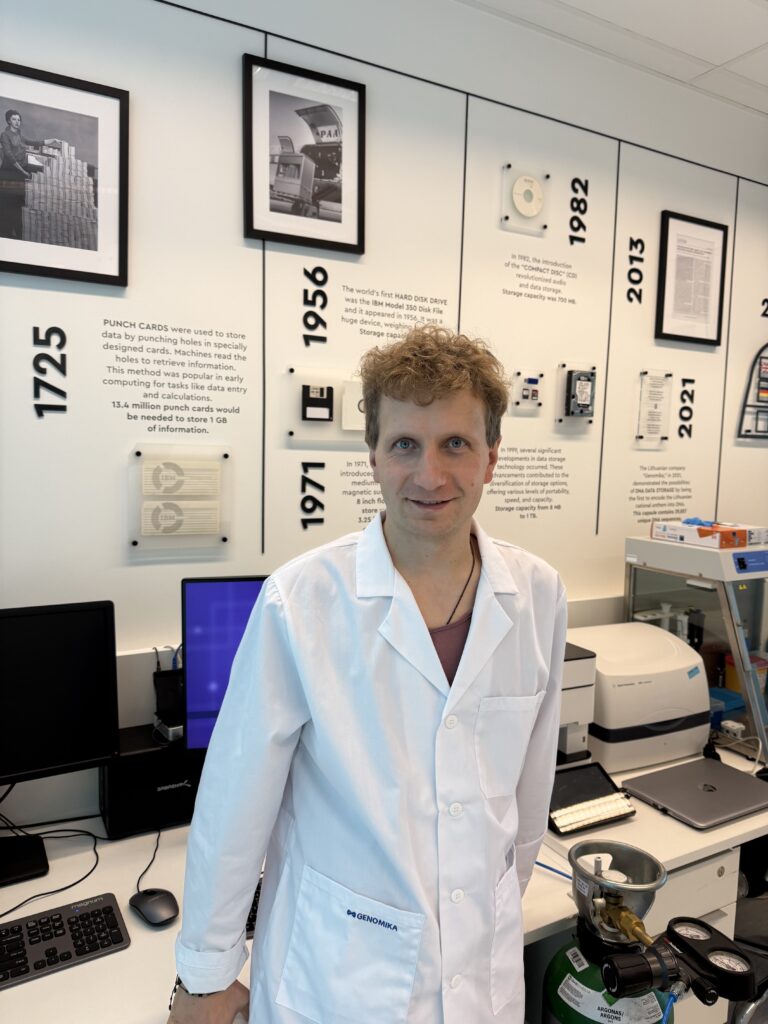
“DNA is the oldest information storage technology created by nature itself. Its strengths are durability, sustainability, and extraordinary capacity,” explains geneticist and Genomika co-founder Dr. Lukas Žemaitis.
Accelerating Innovation in Lithuania
One of the company’s founding motivations was to speed up the arrival of genetic innovations in Lithuania.
“Back then, I estimated that new technologies took around five years to take hold in our country. Today, that timeframe is clearly shrinking – thanks to young scientists, returning researchers, patients, and growing societal demand,” notes Dr. Žemaitis.
According to Martynas Survilas, Head of the Breakthrough Department at the Innovation Agency, Lithuania’s biotechnology sector is rapidly maturing and establishing itself globally:
“Over 300 life sciences companies now operate in Lithuania, and 87% of biotech products created here are exported worldwide. In recent years, local companies have also attracted multimillion-euro investments. This proves we’re not only creative but also competitive internationally. I believe Genomika’s breakthrough technology will significantly strengthen Lithuania’s position in genetics.”
From Curiosity to Global Relevance
In its early years, Genomika focused on research and bringing state-of-the-art equipment to Lithuania. Soon, the team decided to invest its own resources into experimenting with DNA as a data storage medium. What began out of curiosity quickly revealed itself as a solution to a pressing global challenge.
Still, obstacles remain – from synthesis and automation to communication with the public.
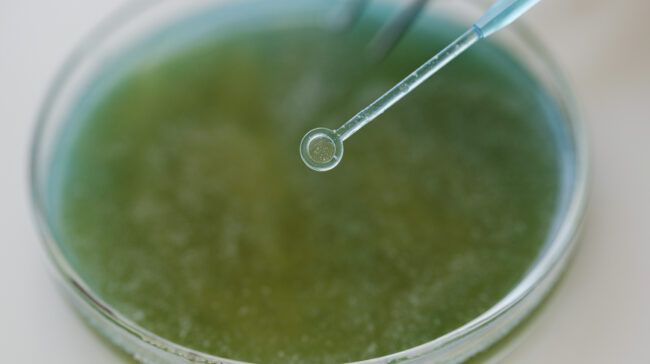
“We aim to make writing information into DNA as simple and affordable as possible. But people often misunderstand it – they think it involves genome modification. In fact, DNA is simply a chemical molecule that can be synthesized in a lab,” explains Dr. Žemaitis.
Science Meets Culture
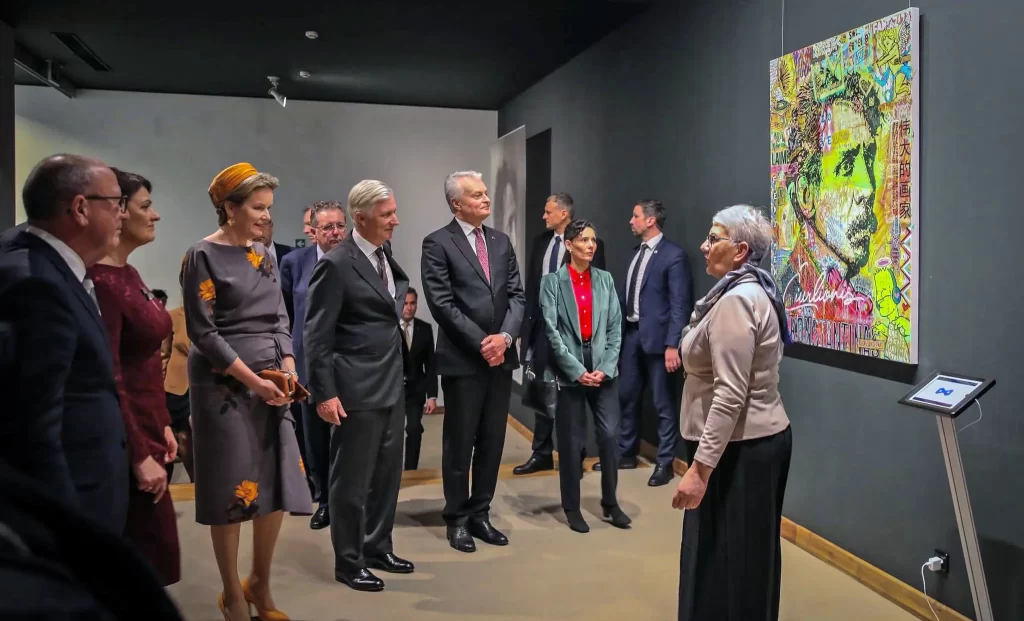
Genomika demonstrated that innovation can be both pragmatic and creative. The company made headlines when it successfully encoded the Lithuanian national anthem into DNA, followed by the works of renowned Lithuanian composer and painter M. K. Čiurlionis. These symbolic steps highlighted how science can safeguard culture and history for future generations.
The Vision: Building a Biocomputer
Looking ahead, Genomika’s ambitions go even further – the company is working toward creating a biocomputer powered by life’s own building blocks.
“People dream of colonizing Mars – it may sound like science fiction, but systematic research in that direction brings practical innovations we can already apply today. Dreams serve as guiding stars,” says Dr. Žemaitis.
For him, these bold ideas are inseparable from Lithuania’s identity as a small yet creative nation.
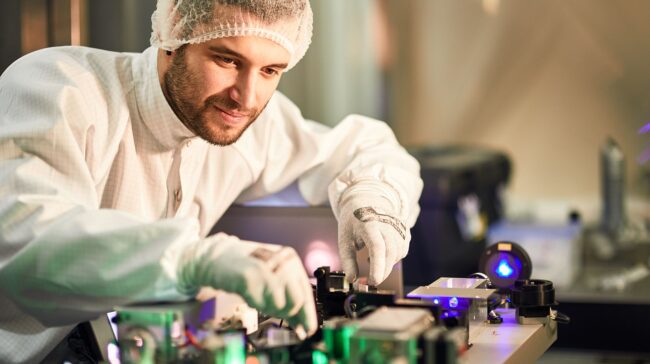
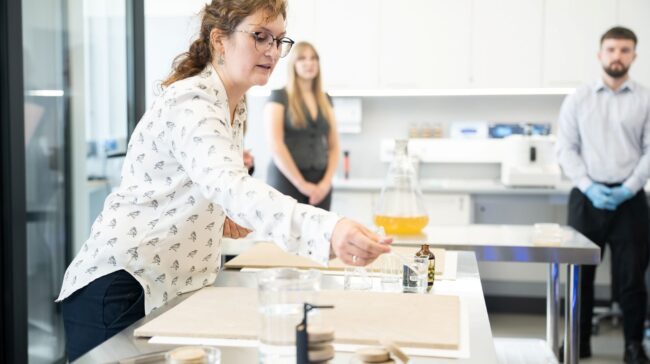
“Our university labs look like scenes from science-fiction films – filled with the latest equipment. But as we joke, a perfectly tidy lab is a bad sign. Where real breakthroughs happen, things are rarely neat: desks are piled with boxes, and researchers compete for access to instruments and workspace,” he laughs.
The biggest challenge, however, is human capital.
“We have many bright minds, but too few young scientists willing to test and implement ideas. Few young people choose the long, often modestly paid path of a researcher,” he admits.
Showcasing at Life Sciences Baltics
This September, Genomika will present its technology to an international audience at Life Sciences Baltics, the largest life sciences forum in the Baltics.
“For us, it will be like a litmus test – helping us understand the global demand and direction for our technology,” says Dr. Žemaitis.
Collaboration with international peers, he adds, makes it easier to evaluate strengths and find partners:
“Conversations with colleagues abroad reveal the real market need for innovation. The last thing you want is to build a perfect technology that nobody needs.”
The Life Sciences Baltics forum will take place on September 17–18 in Vilnius, bringing together more than 800 experts from around the world. The program includes keynote talks, exhibitions, B2B meetings, startup pitches, and tours of Lithuania’s leading biotech companies.