Lithuania’s startup ecosystem is on a rapid upward trajectory, with companies raising a total of €167.7 million in external investment during the first half of 2025—five times more than during the same period in 2024.
According to data from the startup association Unicorns Lithuania, 15 startups secured funding this year. Leading the pack is Cast AI, a cloud infrastructure optimisation platform, which closed an impressive €95.4 million round.
Top 10 Funded Lithuanian Startups (H1 2025)
- Cast AI – €95.4M
- Atrandi Biosciences – €22.6M
- Sintra – €14.9M
- myTU – €10M
- Nexos – €7.7M
- Samphire Neuroscience – €4.4M
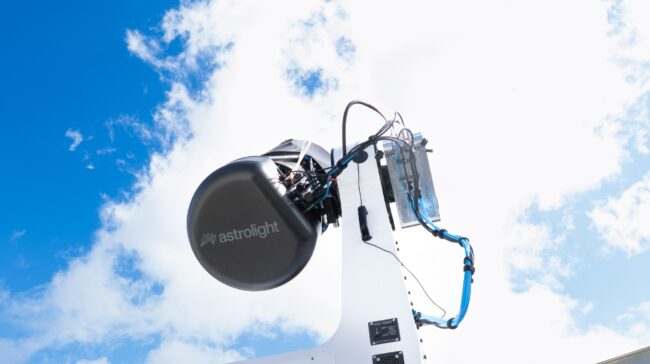
- Astrolight – €2.8M
- Pulsetto – €2M
- FPRO – €2M
- Traxlo – €1.6M
Several other startups also attracted notable investments, including Sort a Brick, which raised €1.5M for its platform that sorts used LEGO bricks, and Vugene and WeSky, each securing €1M in early-stage funding.
Bigger Deals, Fewer Recipients
While the overall funding volume surged, the number of startups receiving investment dropped by 12% compared to the same period last year. “This half-year is marked by larger deal sizes, with most exceeding €1 million. The Cast AI round alone significantly increased the overall average,” said Gintarė Verbickaitė, CEO of Unicorns Lithuania.

She noted that most funded startups are planning international expansion, a strong signal that investors are looking beyond ideas and betting on scalable, globally relevant business models.
Early-Stage Funding Remains Crucial
Despite growing international interest and capital availability, early-stage funding remains a critical challenge. This year, only two pre-seed investments were recorded: in Strato Create and Commody. These were supported by a combination of early-stage VC funds and business angels.
“Business angels play a key role at this stage. They offer more than money—mentorship, market access, and credibility are vital for early growth,” Verbickaitė said. She highlighted that later, as these startups mature, they can attract larger rounds from global investors and even become investors themselves, as seen in Tesonet’s backing of FPRO.
Bootstrapped Success Stories Still Thrive
Not all Lithuanian startups rely on external funding. Some of the country’s best-known tech companies—including Omnisend, Nord Security, and Hostinger—grew organically, achieving profitability without significant outside capital.
“These are examples of what we call economic miracles,” Verbickaitė added. “They expand, hire, and innovate, even during periods of global instability.”
What’s Next: AI and Dual-Use Tech in Focus
Looking ahead to the second half of 2025, AI startups are receiving the most attention from investors, according to Arvydas Bložė, partner at VC firm Practica Capital. His firm has already made five new investments this year across the Baltic region.
“We’re especially focused on discovering new leaders in AI,” Bložė said. He also pointed to rising investor interest in dual-use and defence technologies, a trend gaining momentum across Europe.
A Call to Strengthen the Ecosystem
Both Verbickaitė and Bložė emphasise the importance of nurturing the next generation of tech founders—starting from school-age education and continuing through to supportive regulation, tax incentives, and a well-funded early-stage investment landscape.
“Lithuania is at a pivotal moment. With the right support, we could become a leading tech hub in Europe within this decade. But to do that, we need to ensure that bold new startups continue to enter the pipeline,” said Verbickaitė.