Lithuania has taken a significant step into the future of space nutrition. The European Space Agency (ESA) has approved prototypes of innovative freeze-dried snacks developed in Lithuania for European astronauts, recognising them as a new paradigm in space food.
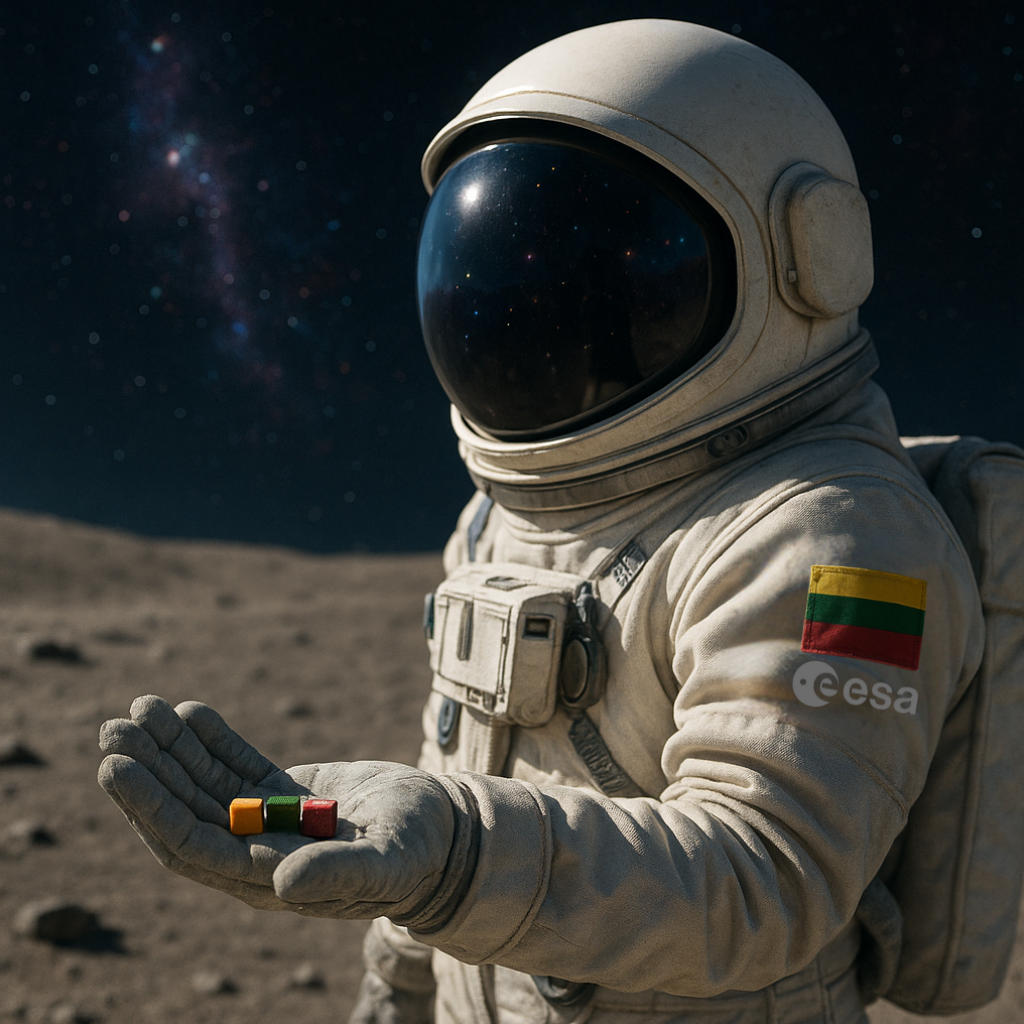
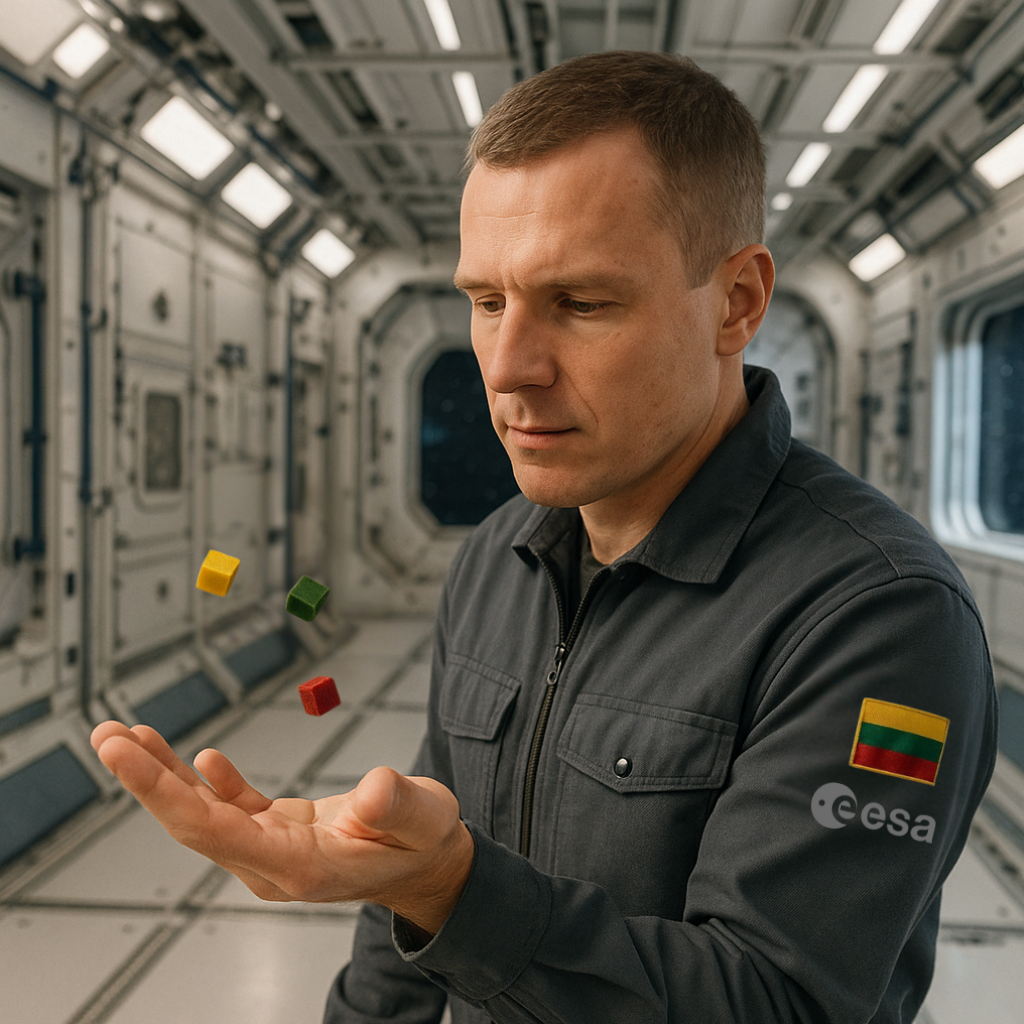
The approved snack concepts were created by the Lithuanian company Super Garden in collaboration with Biordico Ltd, combining advanced food technology, sustainability and emotional wellbeing. Alongside their nutritional value, the snacks also carry a strong symbolic message: three selected fruit and berry snacks were produced in yellow, green and red – the colours of the Lithuanian flag – and will represent the country aboard the International Space Station.
From Lithuania to the European Astronaut Centre
The snacks will soon arrive at the European Astronaut Centre in Cologne, where they will be evaluated by astronauts themselves during training.
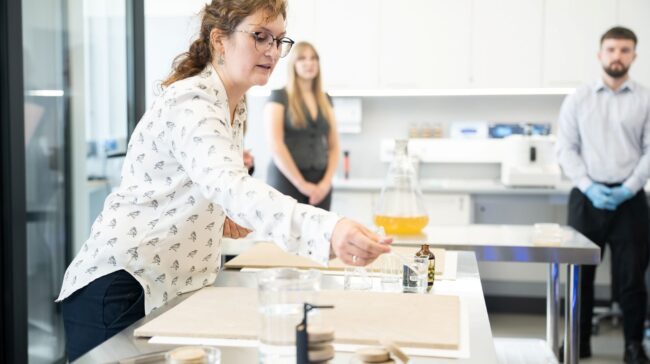
“When developing food for space, technological precision and nutritional balance are essential, but they are not enough on their own,” said Laura Kaziukonienė, CEO of Super Garden, during the product presentation at the company’s factory in Panevėžys. “Food also needs to bring joy, evoke positive memories and provide emotional comfort – especially in conditions of isolation and stress.”
A new concept in space food
According to Dr Jonas Damašius, CEO of Biordico Ltd, ESA experts identified the Lithuanian snack prototypes as a fundamentally new approach to space nutrition.
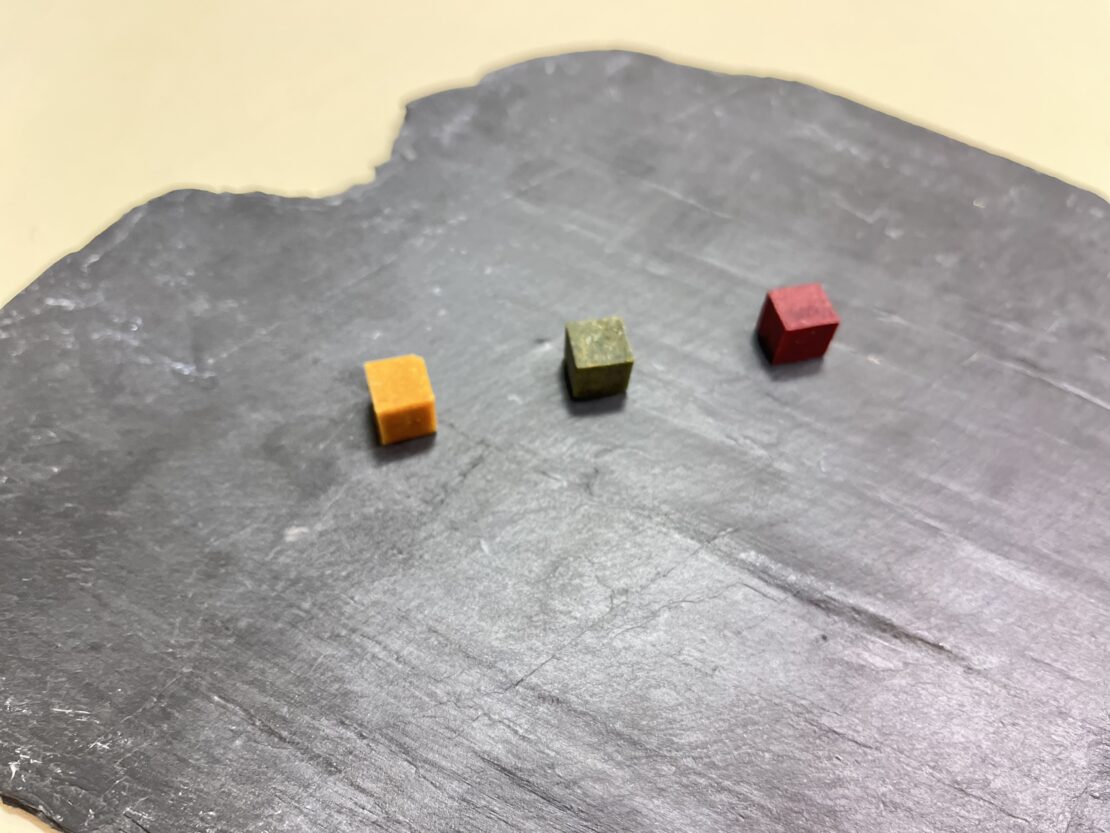
“Our focus was on future-oriented raw materials, sustainability and functional benefits tailored to individual needs,” he explained. “We paid particular attention to sensory qualities, aiming to create snacks that help reduce stress and support both physical and emotional wellbeing. Our goal is for these products to become a natural part of astronauts’ daily diet in orbit.”
In total, nine snack solutions were presented to ESA, three of which were selected for further development.
Exceptional proteins for extreme conditions
A key feature of the approved snacks is the use of cutting-edge protein sources considered among the most important innovations of our time: Solein, lactoferrin and spirulina.
Solein, used in the yellow snacks, is a revolutionary protein produced from air, water and electricity through a fermentation process. Developed in Finland, the technology allows protein production to be completely independent of agriculture, climate and seasons. Solein is neutral in taste, yellowish in colour and versatile in use, while requiring minimal water and having a very low environmental impact. It is already approved for food use in Singapore, with EU authorisation at its final stage.
Lactoferrin, used in red beetroot-based snacks, is a protein naturally found in human breast milk and known for its immune-supporting properties. Particularly valuable in space, where astronauts’ immunity weakens due to microgravity and stress, lactoferrin helps fight bacteria, viruses and inflammation, supports gut health and accelerates recovery. Thanks to precision fermentation technology developed by Singapore-based TurtleTree, lactoferrin can now be produced sustainably without animals, making this once rare and expensive protein accessible.
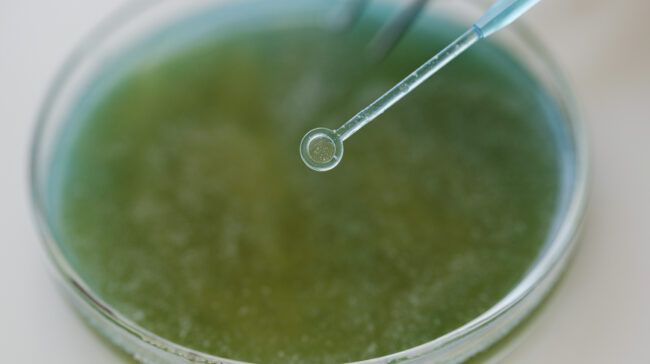
Spirulina, featured in the green snacks, is a more familiar but no less powerful protein derived from freshwater microalgae. Already widely used on Earth and in space, spirulina is valued for its high nutritional density and is increasingly found in functional foods, military rations and medical products. Lithuanian consumers recently had the opportunity to taste these snacks during International Space Week at the Molėtai Observatory.
A Lithuanian success story with global reach
Founded nine years ago, Super Garden has grown from a local producer into an international exporter supplying products to 40 countries. The company specialises in freeze-dried confectionery and functional snacks and gained global attention for its freeze-dried ice cream – once associated almost exclusively with astronauts.
Today, Super Garden products are sold in major international retail chains including REWE, EDEKA, LIDL and Normal, as well as Lithuania’s Rimi and Maxima. The company is actively expanding across Europe, Asia and the Middle East.
Beyond sweets, Super Garden also develops STARMY functional food kits designed for soldiers, athletes and people facing extreme physical challenges.
With its ESA-approved snacks, Lithuania is not only sending food into space, but also demonstrating how innovation, sustainability and national identity can come together to shape the future of space nutrition.