Lithuania is strengthening its position in the global laser industry. On 16 October, Lithuanian technology company LITILIT opened a €6 million femtosecond laser factory in Vilnius, with plans to produce up to 3,000 lasers annually. According to the company, the facility has the world’s highest potential production capacity for this type of laser, marking a significant step towards large-scale manufacturing of advanced laser technology developed in Lithuania.
Lithuania has spent more than four decades building expertise in laser science and engineering. Today, its laser technologies are used in industries around the world, from advanced electronics and semiconductor manufacturing to medicine. The new LITILIT factory represents the next stage in this development: moving from highly specialised technological innovation towards industrial-scale production.
The company expects to manufacture approximately 1,000 femtosecond lasers during its first year of operation, increasing annual output to 3,000 once the factory reaches full capacity. Most of the lasers will be exported, with the first deliveries to customers in Europe, the United States and Asia expected in November 2026.
Precision Technology for Industries Worldwide
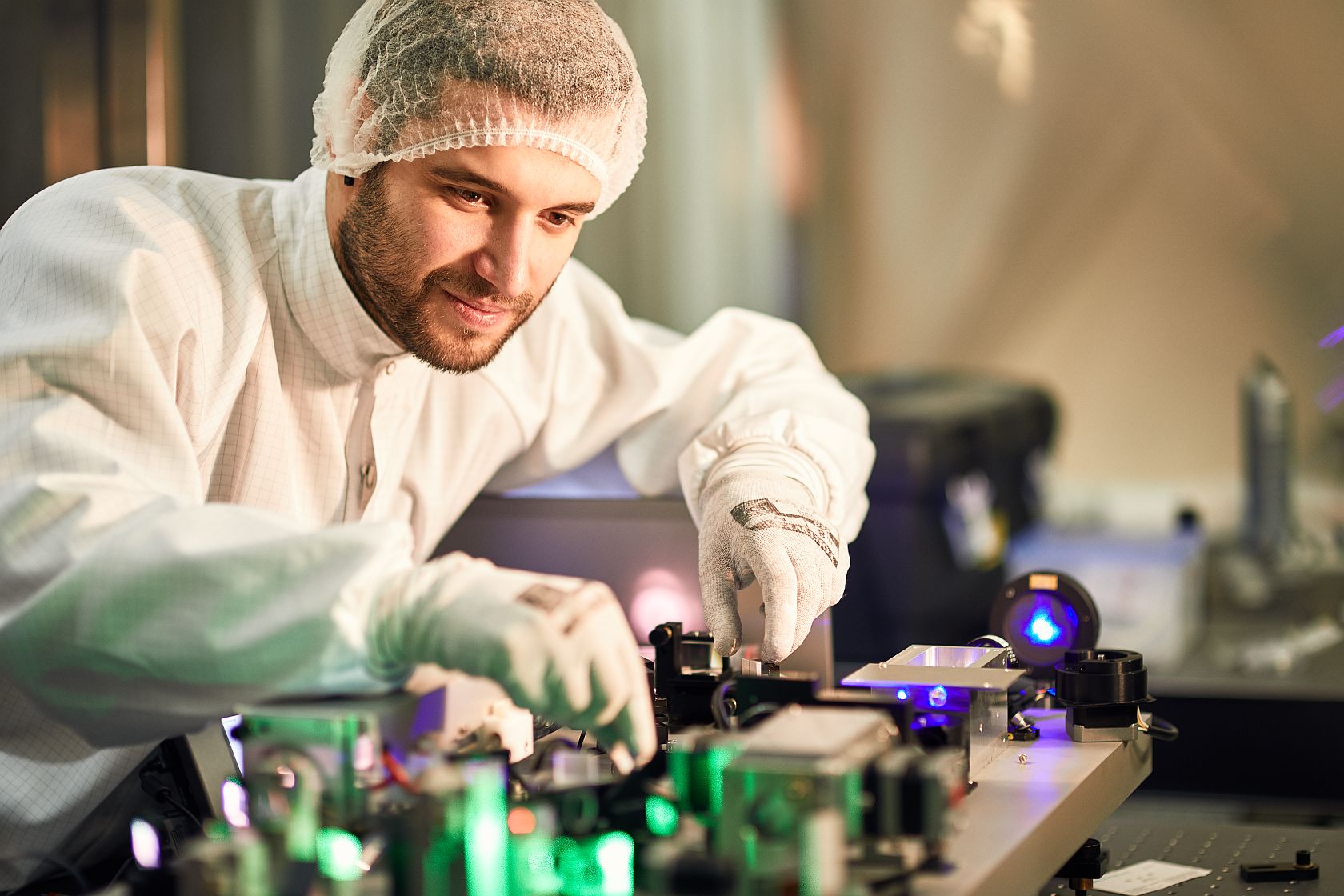
Femtosecond lasers produce exceptionally short pulses of light, allowing materials to be processed with extraordinary precision while minimising damage to surrounding areas.
This makes them particularly valuable in industries where even microscopic inaccuracies can affect the performance of a product.
The technology is used to manufacture semiconductors, electronic components and equipment for data centres. In medicine, it supports procedures such as eye surgery and the production of medical instruments and vascular stents.
As demand for advanced electronics, computing infrastructure and precision medical technologies grows, femtosecond lasers are becoming increasingly important to modern manufacturing.
LITILIT aims to make this technology more widely available by developing a highly automated production model capable of manufacturing lasers at significantly greater scale.
From Lithuanian Research to Global Manufacturing
The new factory builds on technology developed in cooperation with Lithuania’s Centre for Physical Sciences and Technology (FTMC).
The company’s patented approach enables the production of more compact lasers that can be integrated into industrial manufacturing systems. Combined with automation and modular design, it creates opportunities to increase production without a proportionate increase in manufacturing complexity.
The approximately 4,000-square-metre factory, located in Vilnius, includes metalworking facilities and robotic laser assembly and testing lines.
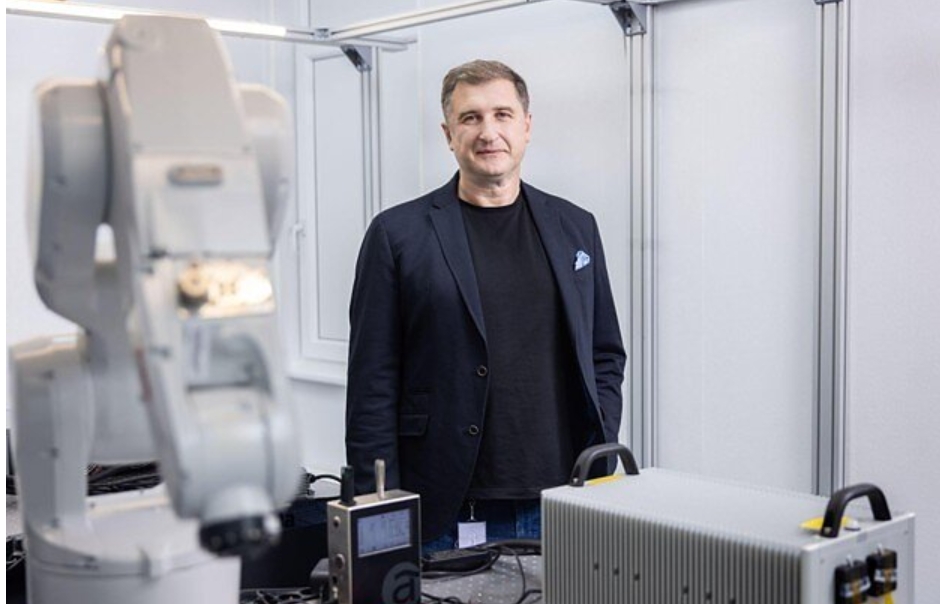
According to LITILIT co-founder and CEO Nikolajus Gavrilinas, Lithuania already accounts for an estimated 10–15% of the global market for femtosecond lasers and related components. He believes the new factory could substantially strengthen the country’s international position, with the potential to increase its global market share by a further 10–15 percentage points.
Gavrilinas sees Lithuania becoming a dominant player in the global femtosecond laser industry over the next two decades.
The company’s expansion could also create new opportunities for highly skilled professionals, with its workforce potentially growing from 75 to 200 employees as production increases and the business develops.
Strengthening Lithuania’s High-Tech Economy
The investment reflects Lithuania’s broader ambition to translate scientific expertise into globally competitive manufacturing.
Minister of the Economy and Innovation Edvinas Grikšas highlighted the opportunities for Lithuania to become not only a developer of advanced technologies but also a major international manufacturer.
“Lithuania’s laser industry has great growth potential. Our goal is to create conditions for such companies to expand in Lithuania, create high value-added jobs, and strengthen the country’s position globally as a technology leader,” the Minister said.
The project has also received financial backing from Lithuania’s national development bank ILTE, which provided the company with an €8 million loan in April 2026.
For Lithuania, the opening of the new factory is more than an industrial investment. It demonstrates how decades of scientific research, engineering expertise and technological entrepreneurship can be translated into manufacturing capacity serving international markets.
As the global demand for precision technologies continues to grow, Lithuania is positioning itself not only as a country where advanced lasers are invented, but also as a place where they can be manufactured at scale for the world.
Prepared using information from BNS and LITILIT’s announcement of 16 October 2026, supplemented by information from the Centre for Physical Sciences and Technology (FTMC).