Lithuania will take the helm of the Council of the European Union for the second time during its membership in the European Union, from 1 January to 30 June 2027.
What is the Council of the European Union?
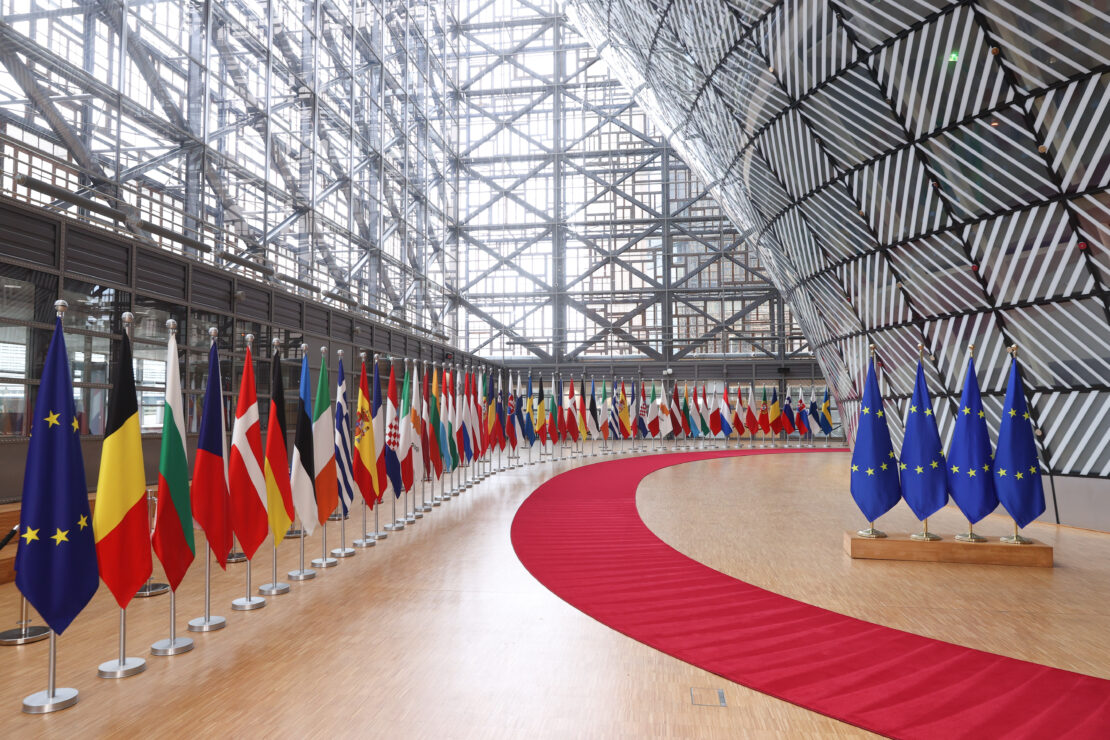
The Council of the European Union is the institution that brings together national ministers from all EU countries to negotiate and adopt EU legislation. It meets in 10 different configurations, covering various policy areas: foreign affairs, environmental protection, competitiveness, etc.
Ministers from the governments of the 27 EU Member States meet in the Council. Its main task is law-making. The Council also adopts the European Union’s budget, coordinates policy, concludes international agreements on behalf of the European Union and develops foreign and security policy of the European Union.
What does it mean to hold the Presidency of the Council of the European Union?
The Member States holding the Presidency are entrusted with five key responsibilities: planning meetings, chairing them, acting as an honest broker, representing the Council in negotiations with other EU institutions, and communicating on their activities.
The Member States of the European Union take turns to hold the Presidency of the Council of the European Union for six-month periods.
The Member State holding the Presidency is, by definition, neutral. Its role is to act as an honest broker. The Member State holding the Presidency cannot favour either its own preferences or those of a particular member state.
Priority areas for Lithuania’s Presidency of the Council of the European Union
During its Presidency of the Council of the European Union, Lithuania will focus primarily on the following priority areas:
- Strengthening security and defence in the EU and the Euro-Atlantic area, ensuring comprehensive support for Ukraine and adequate defence funding.
- EU competitiveness and economic resilience, and a multiannual EU budget that meets the EU’s needs.
- Internal security, preparedness and the resilience of EU democracy, including effective management of migration and external borders, as well as fostering a shared European historical memory and combating the falsification of history.
- Strengthening social security by addressing demographic challenges and enhancing societal resilience in the context of long-term changes.
- European Union enlargement, support for the promotion and fostering of European values in the neighbourhood, and preservation of a rules-based international order.
Programme of the Presidency Trio
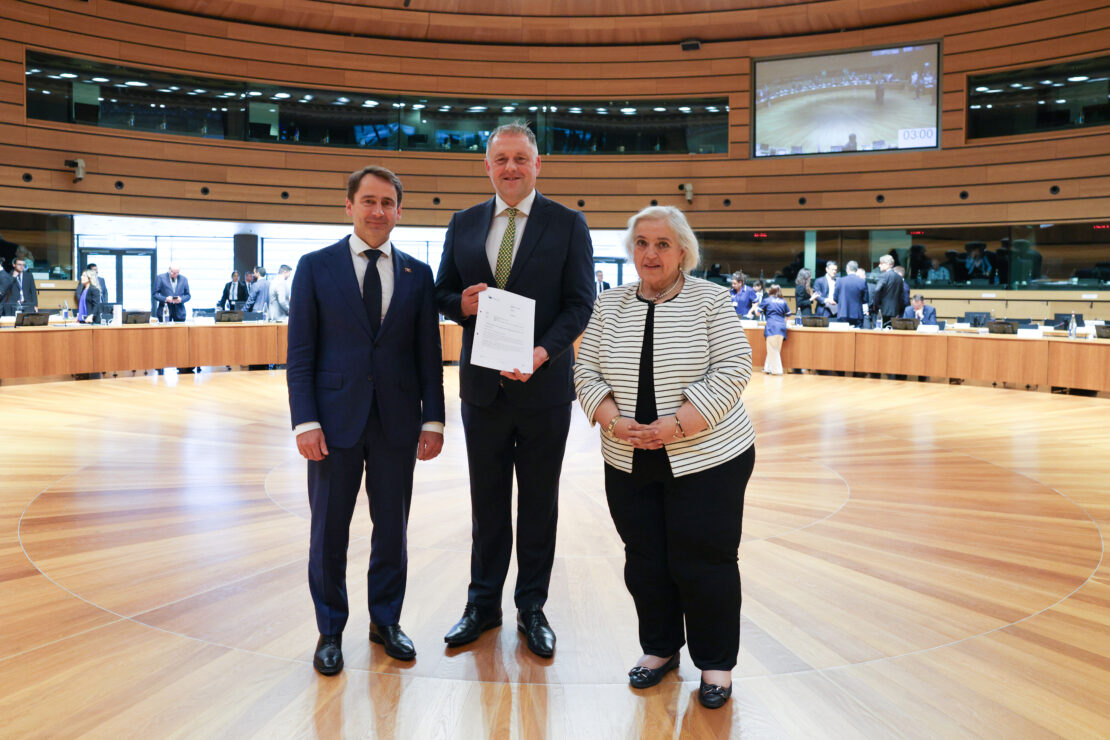
Lithuania, together with Ireland (holding the Presidency in the second half of 2026) and Greece (holding the Presidency in the second half of 2027), forms the Presidency Trio.
The Trio establishes common priorities for an 18-month period, coordinates the Council’s agenda and ensures continuity and consistency in the work of the European Union as the Presidency rotates among Member States.
Ireland, Lithuania and Greece have drawn up a joint 18-month programme setting out the main priorities of the three Member States.
Priorities
The current programme of the trio of Member States holding the Presidency was adopted in June 2026 and will run from 1 July 2026 to 31 December 2027. The three main priorities of the programme are:
- A free and democratic Europe
- A strong and secure Europe
- A prosperous and competitive Europe
You can view the full programme here
Events
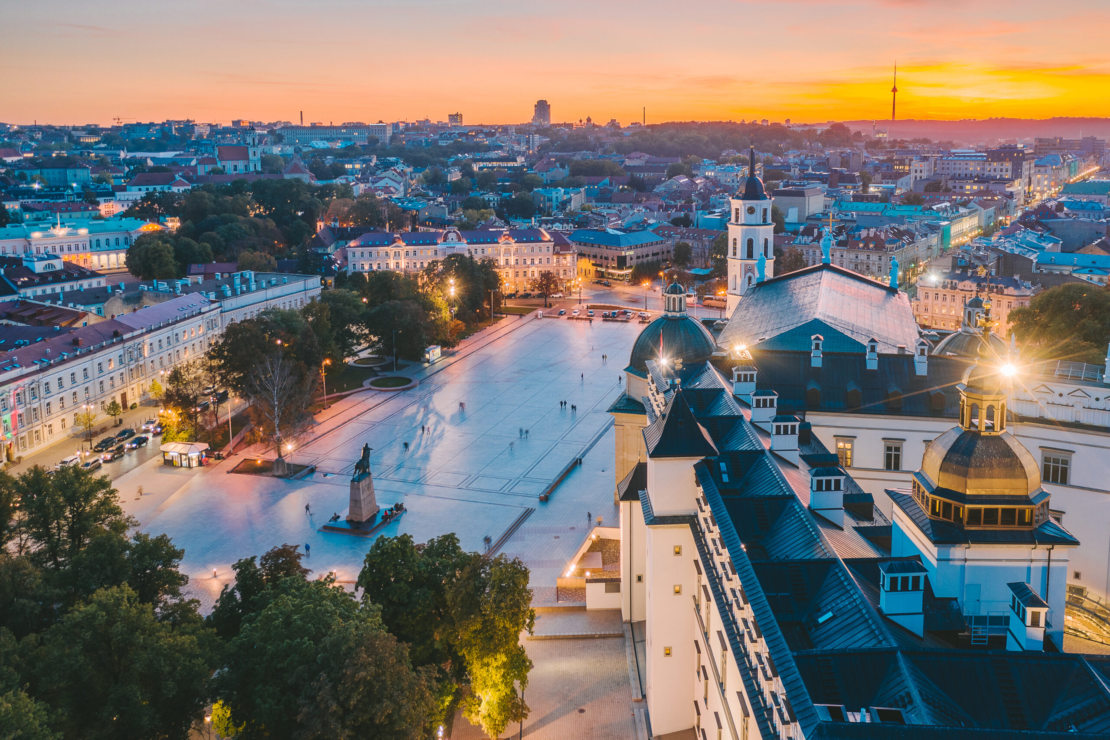
A wide range of meetings, conferences, discussions and other events, both at political and public levels, will take place across the country, providing an opportunity for the Lithuanian and European public to discuss issues of relevance to the whole continent. With the active involvement of NGOs, the academic community and associations from various sectors, a broad network of initiatives is being created, allowing the Presidency’s priority areas to be examined from different perspectives.
Community involvement
Throughout 2026, in cooperation with partners across Lithuania, a programme of events, discussions and lectures is being developed to support and advance Lithuania’s preparations for the Presidency of the Council. The programme encompasses all key LT27EU priorities: security and resilience, competitiveness, social protection, strengthening democratic values, and citizen engagement.
The majority of the initiatives are aimed at engaging young people and local communities through debates, forums, creative workshops, training sessions and public discussions. Their aim is to strengthen civic engagement, media literacy, democratic competences and public understanding of how European Union decisions affect everyday life in Lithuania’s regions.
More of Lithuania in Europe, and more of Europe in Lithuania.
Socio-cultural programme
Lithuania’s Presidency of the Council of the European Union is not only about implementing the political agenda, but also an opportunity to showcase Lithuanian culture and the country’s contemporary image in Lithuania, across Europe and around the world. More than 300 events and programmes are planned for the first half of 2027 in various countries, including exhibitions, concerts, performances, and various Lithuanian cultural projects.
The programme will be implemented in collaboration with Lithuanian and foreign cultural institutions, artists, creators, local authorities and other partners. The socio-cultural programme will help to forge new links between Lithuania and its European partners and introduce Lithuania’s contribution to the common European cultural space.