Next-Generation Oil Pollution Cleanup Product Enters Production in Klaipėda
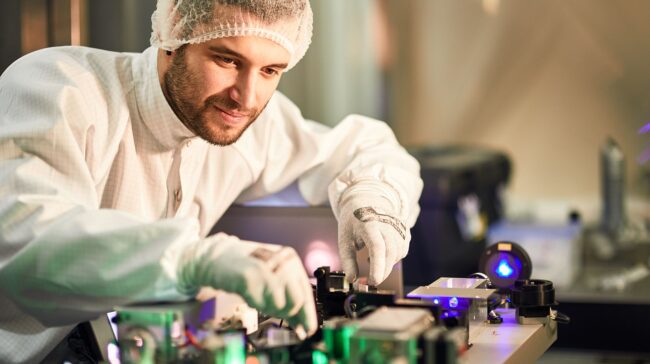
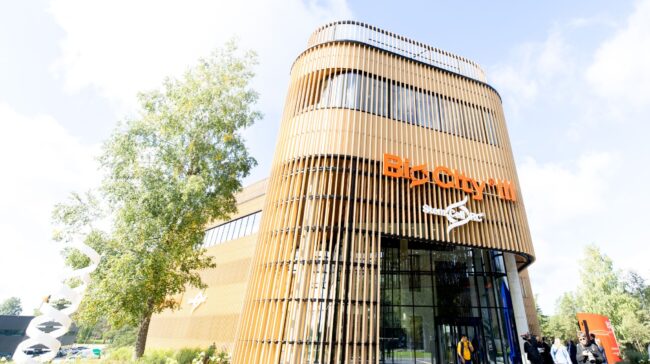
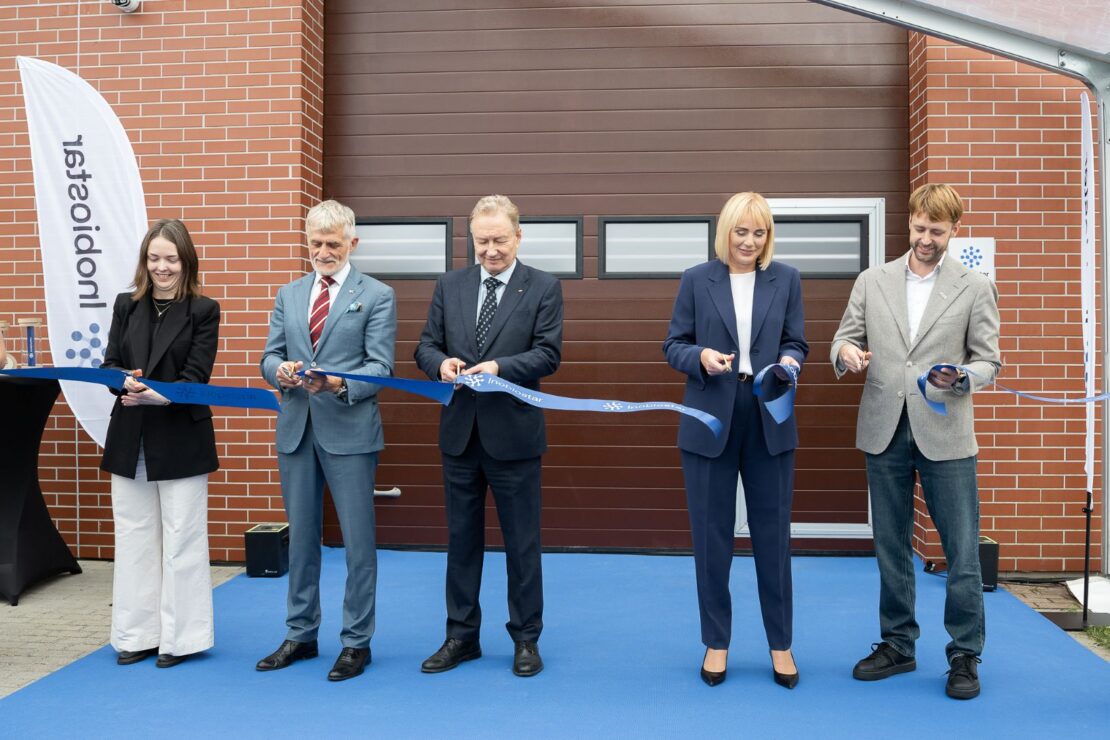
A production line for “Inobiostar”, a spin-off company of Klaipėda University (KU), has opened in the port city. It has taken five years to move from concept to production – the time required by the Klaipėda University scientists to develop a product that collects and biodegrades oil spills in water. Klaipėda University and the Klaipėda State Seaport Authority have agreed to test the technology in the Port of Klaipėda.
From Laboratory to Production
The new line will allow “InnoAerogel®” to be produced in hundreds of kilograms rather than laboratory-scale quantities. For the company, this offers an opportunity to refine the production process and prepare the product for broader practical applications.
“Today, we are moving into a new phase: from the laboratory and technology development to manufacturing, from controlled testing to real operational conditions, and from a prototype to a market-ready product. Our ambition is not only to manufacture InnoAerogel®, but to create a globally applicable technology that changes how we address oil pollution issues in seas and oceans,” says Dr Tatjana Paulauskienė, CEO, founder, and co-inventor at “Inobiostar”.
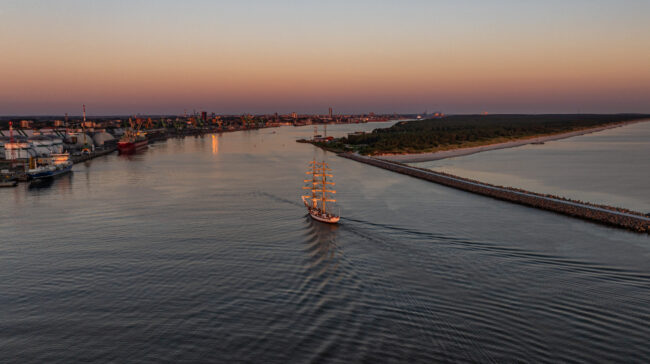
The next step involves testing in the Port of Klaipėda. Under the signed agreement, the partners will evaluate the suitability of “InnoAerogel®” for oil pollution prevention and spill response.
“As Europe transitions towards a green economy, the Port of Klaipėda is keeping pace and transforming alongside it. We are steadily moving in step with the Green Deal and implementing solutions that align with our environmental goals as we develop the port. The first Inobiostar products were tested in the Port of Klaipėda several years ago, and to this day, we take pride in the collaboration we have built. By offering opportunities to test new solutions developed by scientists in real conditions, we become a vital part of their refinement process. Today, we are taking another step forward: a new generation of eco-friendly technology for neutralising oil pollution will be tested at the Port of Klaipėda,” says Algis Latakas, Director General of the Klaipėda State Seaport Authority.
A Lightweight Solution That Absorbs Far More Than Its Own Weight
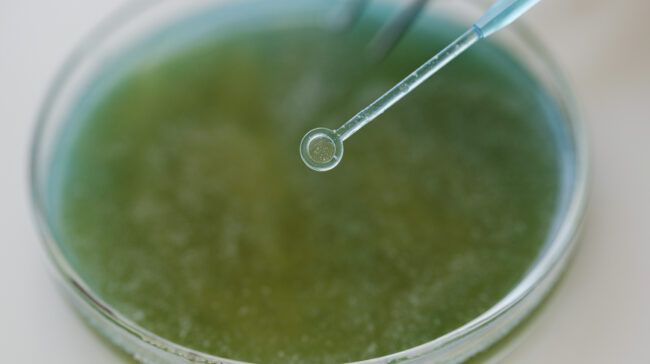
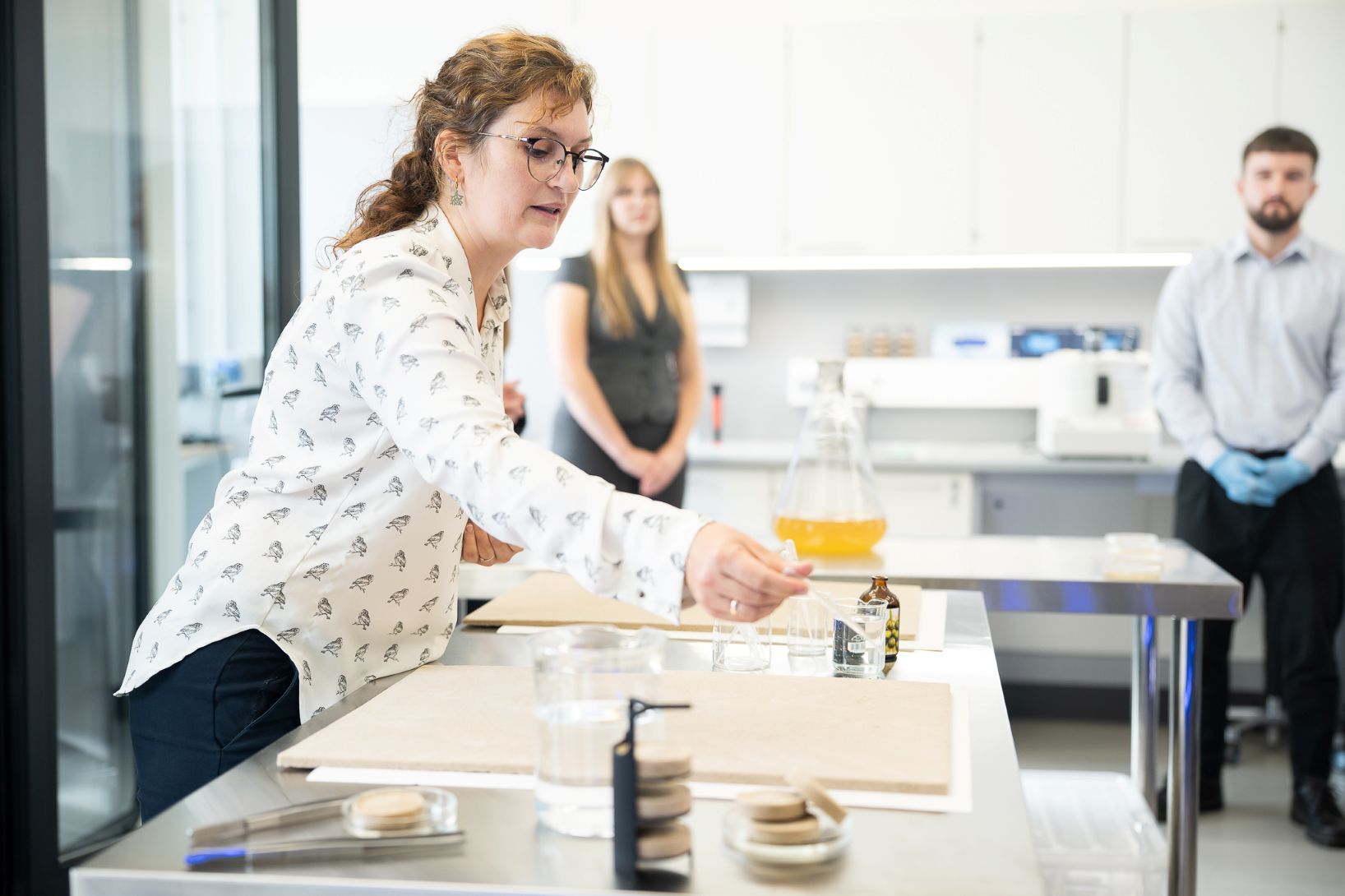
The invention is manufactured from recycled paper waste. It is lightweight and capable of absorbing more than 20 times its weight in oil products. Microorganisms isolated from the Baltic Sea environment present within the material contribute to the biodegradation of the absorbed oil products.
The technology has already undergone testing abroad. An independent assessment conducted by CEDRE, the French Centre for Documentation, Research and Experimentation on Accidental Water Pollution, confirmed the product’s high oil absorption efficiency, leading to “InnoAerogel®” being included in the centre’s database of oil spill response products. Trials have also taken place in Finland and Greece.
According to the Rector of KU, Prof. Dr Artūras Razbadauskas, the growth of “Inobiostar” demonstrates the journey an idea originating within the university can take.
“The Inobiostar team has proven that university research can evolve into a technology enterprise capable of securing funding, mobilising partners, and launching production in Klaipėda. We hope this experience encourages our other research teams to pursue business ventures based on their inventions. In this way, the knowledge accumulated at the university unlocks new opportunities for the entire region,” says the Rector.