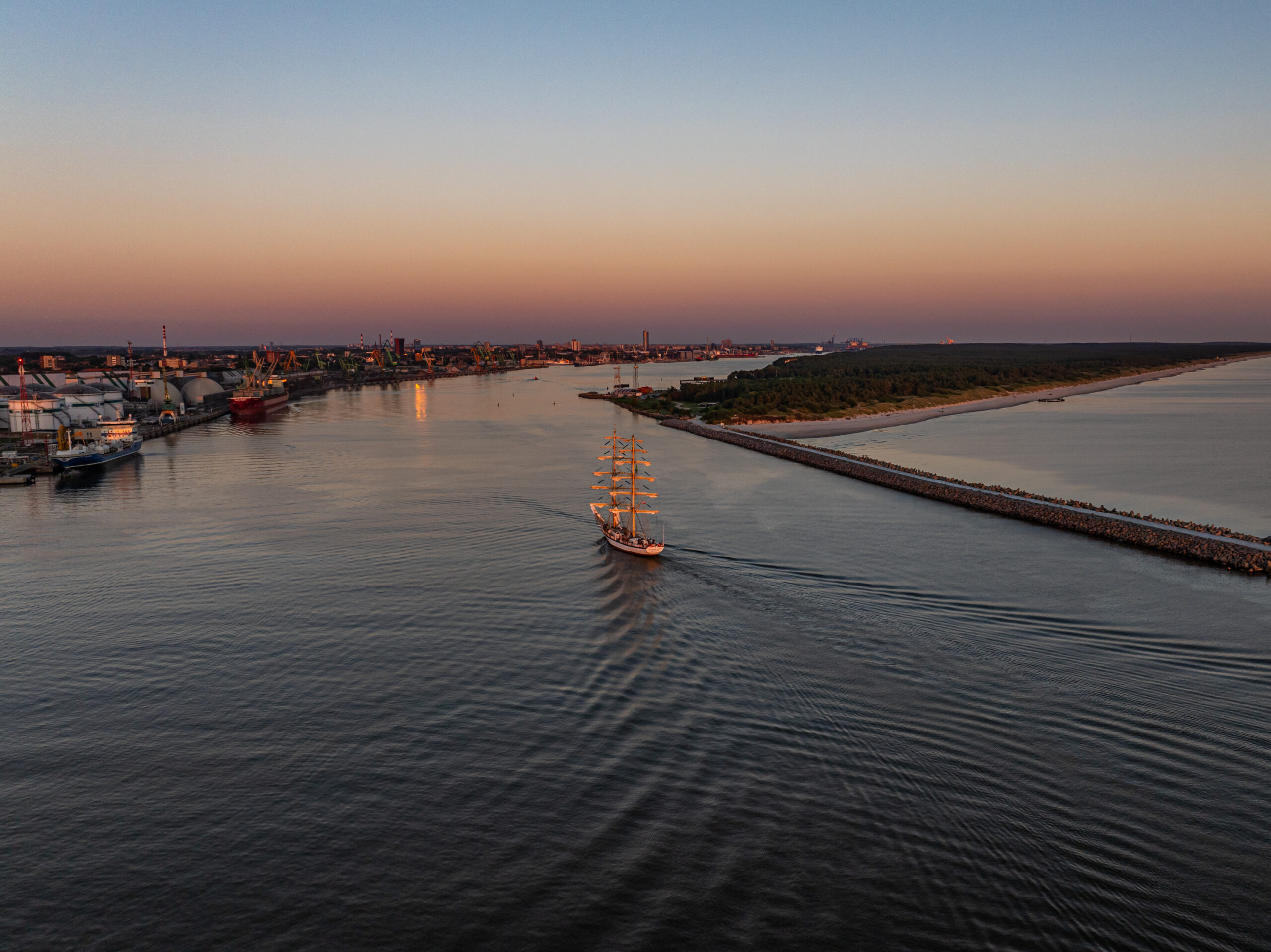
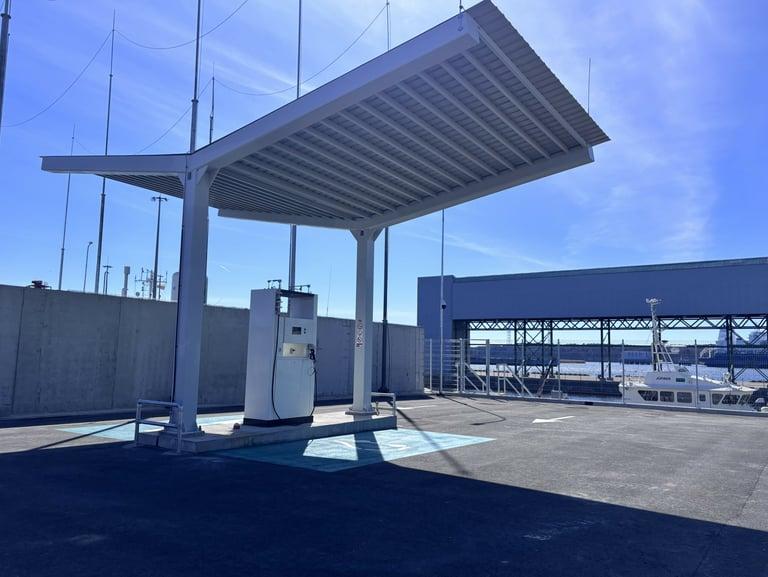
On 5 June 2026, Lithuania opened the first green hydrogen production-and-refuelling station in the country – and in the Baltics. Located in Klaipėda, the facility is modest by global standards, but it marks a symbolic milestone for a country that, in just a few years, has moved from near-total dependence on Russian gas to one of the fastest clean-energy transitions in the European Union.
A small station with a big role
The Klaipėda station is a 2.25 MW facility capable of producing up to 127 tonnes of green hydrogen a year through electrolysis, using a PEM-type electrolyser. The hydrogen will initially serve the port’s own operations, with sales to businesses and households to follow once an operating licence is secured. The project is worth around €12 million, roughly half of it EU-funded.
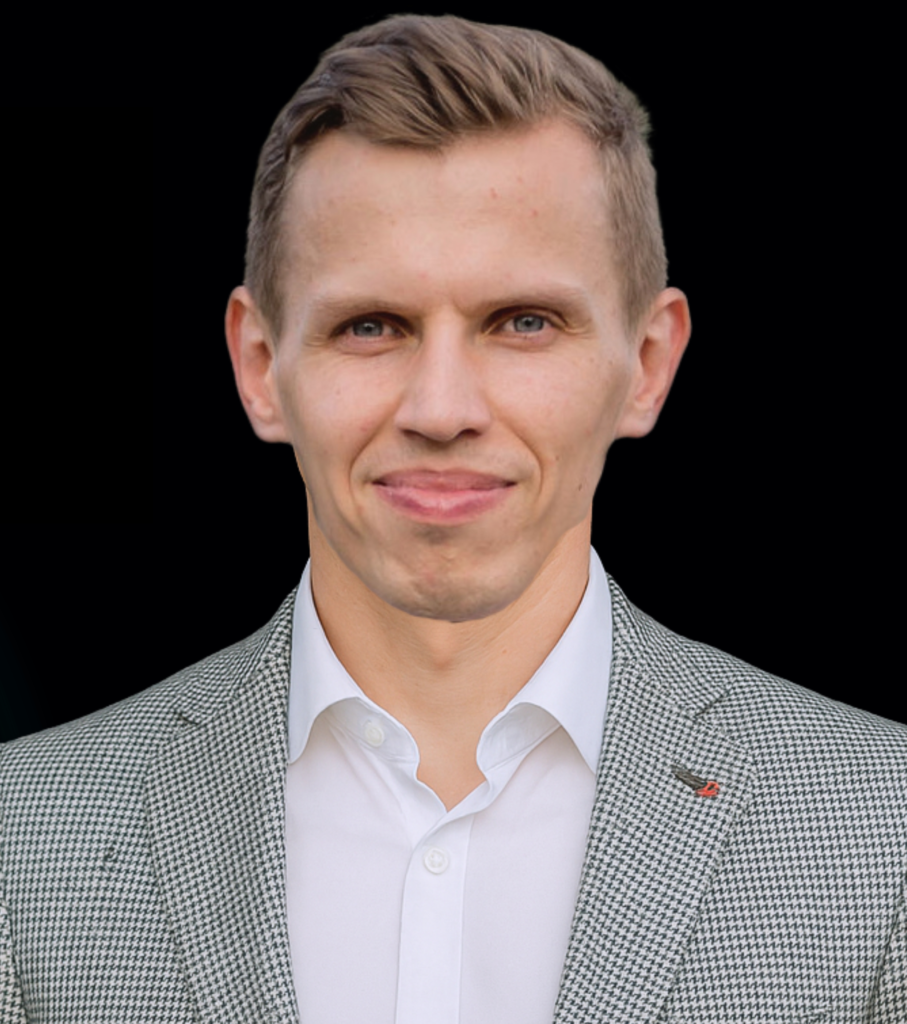
Its significance lies less in its size than in what it demonstrates. “This should be seen not as a question of scale, but as the first real step for the market and for infrastructure,” says Marius Urbonavičius, a scientist at the Lithuanian Energy Institute and Director of the Hydrogen Energy Association. “It’s a commercial-stage project that lets us test production, refuelling, safety procedures, consumer behaviour and regulation in practice as well as introduce the public to the technology.”
Why hydrogen, and where it fits
Hydrogen’s appeal is straightforward: using it releases no carbon dioxide. “In a fuel cell, hydrogen reacts with oxygen to produce only water and electricity,” explains Šarūnas Varnagiris, Head of the Hydrogen Energy Technologies Centre at the Lithuanian Energy Institute. Produced from solar or wind power, it can also act as a way to store surplus renewable electricity and release it when it is needed.
That makes hydrogen most valuable where direct electrification is difficult or costly. “The greatest potential is in industry – steel, chemicals, fertilisers – and in heavy transport: trucks, buses, trains and special-purpose vehicles that need long range and fast refuelling,” says Varnagiris. In shipping, hydrogen is more likely to help indirectly, in the form of derived fuels such as ammonia and methanol.
Lithuania is not starting from scratch. Grey hydrogen has been used here for decades in industry, fertiliser production and oil refining, with Achema and Orlen Lietuva the largest consumers and national demand reaching some 200,000-250,000 tonnes a year.
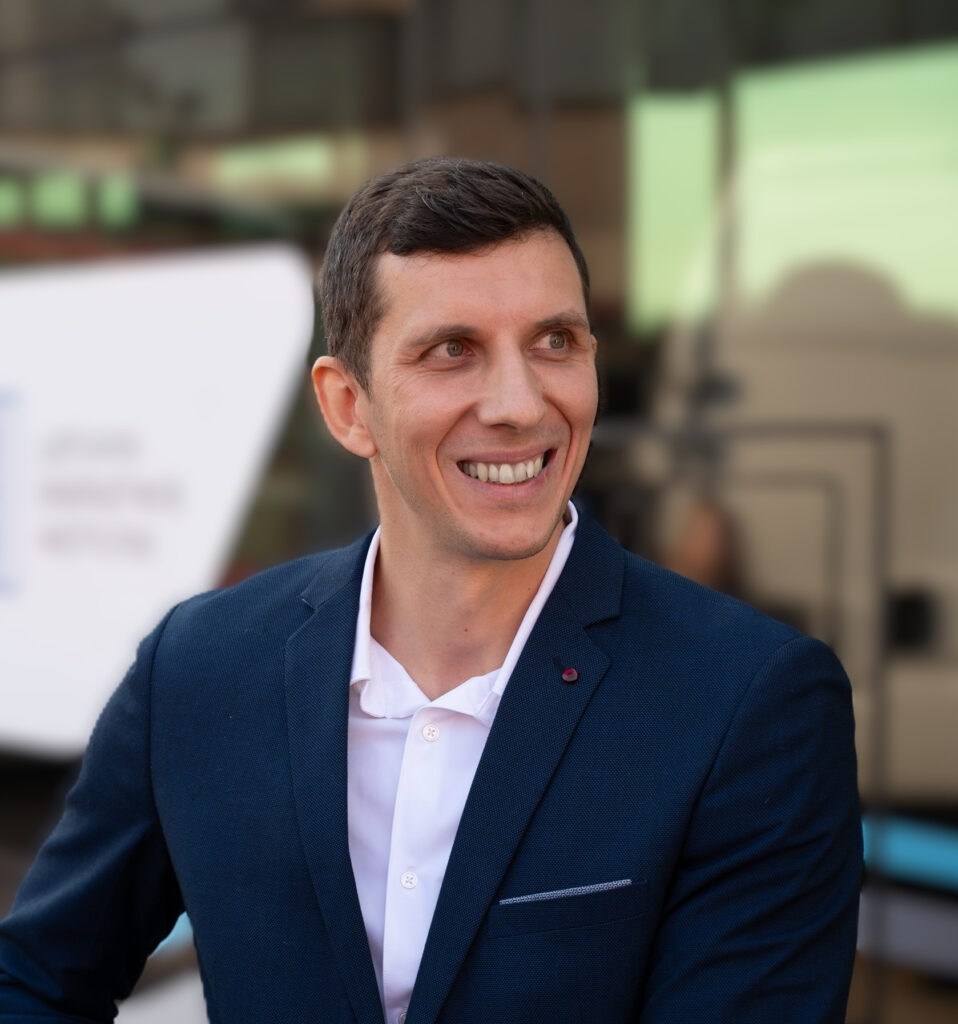
Switching this existing demand from grey to green is where the biggest emissions savings lie. “Most of the world’s hydrogen is still made from fossil fuels, mainly natural gas and coal. Producing it this way emits around 10 kilograms of CO₂ for every kilogram of hydrogen. That’s precisely why the shift to green production matters,” notes Varnagiris.
In the meantime, transport is the most realistic entry point: alongside Klaipėda, a project in Vilnius will produce hydrogen to power the capital’s public buses.
Scaling up and innovating at home
Lithuania’s Hydrogen Development Guidelines for 2024-2050 describe green hydrogen as the axis of the country’s energy transformation – a means to balance the grid and store surplus renewable power, primarily for industry and transport. The guidelines target at least 1.3 GW of electrolysis capacity and around 129,000 tonnes of green hydrogen a year by 2030. Reaching those figures on schedule will be a challenge, but the direction is clear.
The hurdles are interlinked: green hydrogen still costs more than its fossil-based counterpart, demand signals remain uncertain, and renewable supply is variable – a classic chicken-and-egg problem, with producers waiting for buyers and buyers waiting for supply. Even so, Varnagiris points to encouraging momentum, noting that the average size of new electrolysis projects has grown more than fivefold.
And regulation, Urbonavičius argues, need not be a brake on that progress: “A well-designed regulatory environment can reduce investment risk, give the market clarity and help the first commercial projects get off the ground.”
Lithuanian researchers are also working to make the technology cheaper and more versatile. At Kaunas University of Technology, the SUSTAIN-H₂O project is developing catalysts from widely available metals instead of costly platinum or iridium, while a separate KTU and Lithuanian Energy Institute team is producing hydrogen from waste through gasification – an alternative to conventional electrolysis. Looking further ahead, a planned Nordic-Baltic hydrogen corridor linking Finland, Estonia, Latvia, Lithuania, Poland and Germany could open export markets, with transmission system operator Amber Grid playing a central role.
Riding a renewable-energy boom
Hydrogen’s prospects rest on a wider transformation. The share of renewables in Lithuania’s domestic electricity consumption has jumped from 15% five years ago to 50% in 2025 – the fastest such shift in the EU. The number of prosumers has surged from 18,800 in 2021 to 174,500 in 2025, solar capacity has grown from 225 MW to 3,284 MW, and wind from 623 MW to 2,535 MW. Combined solar and wind capacity passed 5 GW in autumn 2025, and in April 2026 the two sources together met around 83% of national electricity demand. The goal: 100% renewable domestic electricity consumption and net-exporter status by 2028.
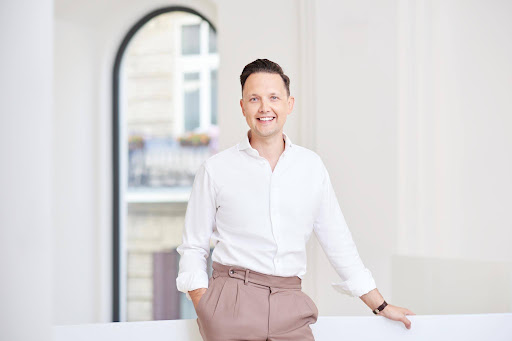
Crucially, Lithuania is not only deploying clean energy but exporting the expertise behind it. “Lithuania isn’t one of the world’s largest solar markets by installed capacity, but that’s exactly what makes its trajectory stand out,” says David Trainavičius, Founder and CEO of PVcase. With more than 1 kW of solar capacity per capita – among the highest ratios in the EU – and solar now meeting roughly 14% of consumption, the country has become a genuine innovation hub.
PVcase itself is a case in point: the Lithuanian company’s software helps developers assess sites and optimise the design of solar plants, and it has attracted more than $120 million in investment, including a $100 million round in 2023. “We build our software in Lithuania, but our clients design solar plants in dozens of countries,” Trainavičius notes. “Lithuania is exporting the engineering knowledge and digital tools that help accelerate solar deployment worldwide.”
For him, the industry’s next chapter will be defined less by sheer volume than by integration: “The next phase of the transition isn’t about installing more panels – it’s about coordinating a far more complex system, where engineering, software, storage, grid infrastructure and markets all work together.”
Clean power as an investment magnet
Abundant low-carbon electricity is fast becoming a precondition for the kind of advanced, energy-hungry investment that defines the digital economy – from data centres to artificial intelligence. Invest Lithuania is actively marketing the country’s clean, EU-grid power to data-centre investors, including a 75-hectare ready-to-build site at Kruonis. The proposition is already resonating: Delska, one of the largest data-centre operators in the Baltics, runs all of its facilities in Lithuania and Latvia on 100% green wind energy.
Whether that promise is fully realised will depend on turning today’s pilot projects into lasting demand and, eventually, scale. Marius Urbonavičius is clear-eyed about where the country stands. “By scale, Lithuania isn’t among Europe’s biggest hydrogen markets,” he says. “But in strategic readiness and first practical steps, it’s well positioned within the Baltic region. The real task now is to move from individual projects to a coherent value chain – production, demand, infrastructure, regulation and, in time, exports.”