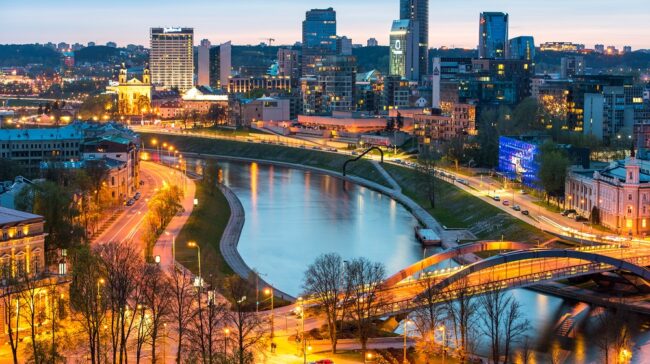
When Lithuania restored its independence on March 11, 1990, the country regained control over its political and economic trajectory. Thirty-six years later, the results are striking. What began as a small, exposed economy has become one of Europe’s fastest convergence stories – and the Baltic region’s clear economic front-runner.
The anniversary is remembered for courage and national unity. It should also be read as an economic hinge-point – the moment Lithuania began one of Europe’s fastest and most disciplined economic transformations.
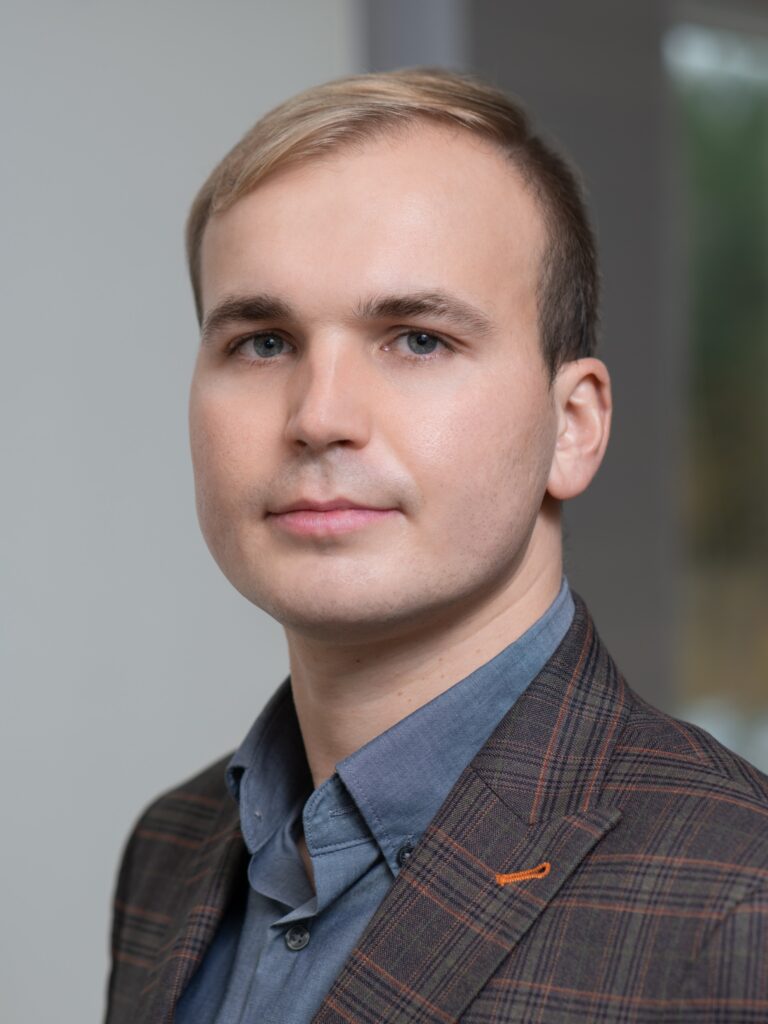
“The defining economic challenge of this 36-year period has been the structural transformation from an economy reliant on agriculture and low-margin manufacturing to a modern, export-driven services hub,” explains Titas Budreika, Chief Economist at Ministry of Economy and Innovation.
In the early 1990s, agriculture accounted for roughly 11% of economic output, while industry – primarily food and textiles – made up another 25%. Although these traditional sectors continued to grow over the decades (agriculture by 30% and industry by a factor of 3.5, mostly because of advance manufacturing), the new engine of economic growth and modernization of Lithuania’s economy has been the explosive expansion of services.
“Although these traditional sectors continued to grow over the decades (agriculture by 30% and industry by a factor of 3.5, mostly because of advance manufacturing), the new engine of economic growth and modernization of Lithuania’s economy has been the explosive expansion of services. IT output surged sevenfold, financial services tripled, and business services – such as legal, accounting, consultancy – grew by a factor of 11. Today, these high-value-added services generate roughly 20% of Lithuania’s total economic output, surpassing the combined share of agriculture and industry,” says Budreika.
The transition toward a high-value, export-driven economy was enabled by a deliberately cultivated business climate. Key drivers included a highly competitive tax environment, robust product market regulations, and a strategic prioritization of Foreign Direct Investment.
Equally critical to this sustained growth has been deep institutional and security integration. Being deeply embedded in EU institutions and markets not only drove the adoption of advanced regulatory frameworks but also secured access to a massive global market. Simultaneously, joining the Eurozone significantly reduced risk premiums, granting Lithuanian enterprises access to more affordable capital.
While the region has long been known as the “Baltic Tigers,” Lithuania has gradually separated from the pack. By 2024, the country’s output per person – adjusted for purchasing power – reached 87% of the EU average, decisively ahead of Estonia (79%) and Latvia (68%).
This convergence has been driven in large part by the capital region. By 2023, the Vilnius region had already surpassed the EU average, generating roughly 43,000 PPS per person compared with the European baseline of 38,100.
If the first phase of Lithuania’s success was about catching up with Europe, the second is about redefining what the country exports – not just goods, but increasingly software, security and deep-tech capabilities.
Startups and innovation: the second engine

The headline number is striking: the combined enterprise value of Lithuanian startups exceeded €16bn in 2024, up 39× in a decade, according to a Dealroom-based ecosystem report led by Startup Lithuania.
“We are seeing a clear maturation of the investment structure – at early stages, Lithuanian startups are most often supported by local investors, but as companies grow, international capital plays an increasingly important role. Particularly significant is the involvement of U.S. investors, which becomes decisive at breakout and later stages when companies are rapidly expanding in global markets,” says Karolina Urbonaitė, Head of Startup Lithuania at Innovation Agency Lithuania.
Two breakout names – Vinted and Nord Security – explain a large share of the headline valuation – but the more important point is what their success enables: experienced founders and executives who recycle talent, capital and ambition into the next generation of companies.

Karolina Urbonaitė notes that Dealroom’s data indicate that Lithuania has already developed a sustainable ecosystem capable of consistently building global businesses – making the emergence of new unicorns in the coming years increasingly likely.
For the macro story, startups act as a productivity strategy: they concentrate high-skill employment, raise exportable services capacity, and make the country legible to global investors who might not otherwise look beyond Europe’s largest markets.
Fintech: “trust at speed” as a national export
Nowhere is Lithuania’s “rules + execution” model clearer than fintech.
By the end of 2024, Lithuania had 282 registered and active fintechs, serving more than 30 million EU customers. The ecosystem’s advantage lies in a combination that many countries struggle to deliver at once: fast market entry, EU passporting, and supervision that is credible.
That credibility is not theoretical. In April 2025, Lithuania’s Central Bank fined Revolut €3.5mn over anti-money laundering control failures – the largest penalty it had issued – underscoring that the jurisdiction’s appeal rests on enforceable rules, not regulatory theatre.
Investment: confidence you can count
Capital is unsentimental. It goes where returns are attractive – and where the rules won’t change midstream. Speed and reliability matter to investors, and Lithuania has both. By 30 September 2025, the Bank of Lithuania put inward FDI stock at €42.9bn (about 52% of GDP, or ~€14,800 per person), up 9.2% year on year.
Global firms have built long-term stakes here – mostly from Germany, the Netherlands, Estonia, the UK and Sweden – backing them with real projects, from Rheinmetall’s planned 155mm plant near Baisogala to Continental’s Kaunas expansion and Pon.Bike’s Kėdainiai investment.

“International companies supported by Invest Lithuania now employ nearly 39,000 people. In 2010, that number stood at just 1,000 – a remarkable transformation in little more than a decade. Salaries in these companies exceed the national average by more than 40%, and nearly two-thirds of new roles are created in advanced, high value-added sectors. These figures reflect a fundamental growth of our economy, a transition from volume to value. Lithuania has evolved into a focused, innovation-driven ecosystem built on close cooperation between business and public institutions. The emergence of Lithuania as one of the leading fintech hubs in the European Union is just one clear example of this broader shift toward maturity, specialization and high-value growth,” explains Elijus Čivilis, CEO of Invest Lithuania.
Lasers: 60 years of talent – and a Lithuanian world-class niche
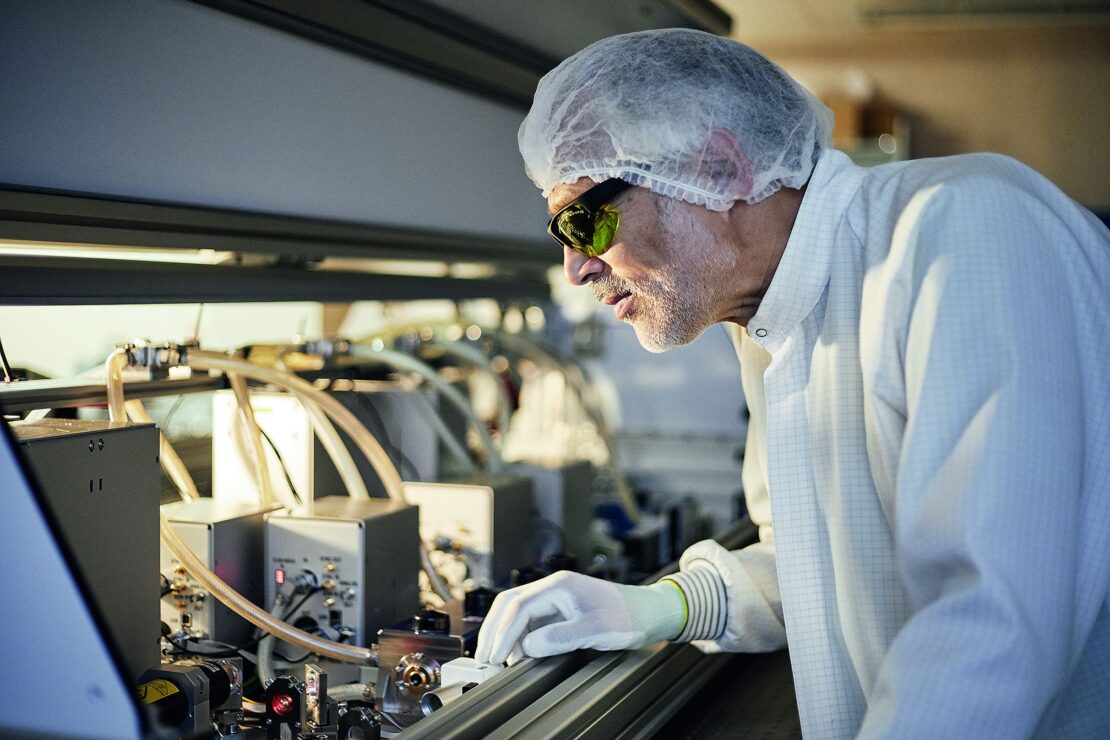
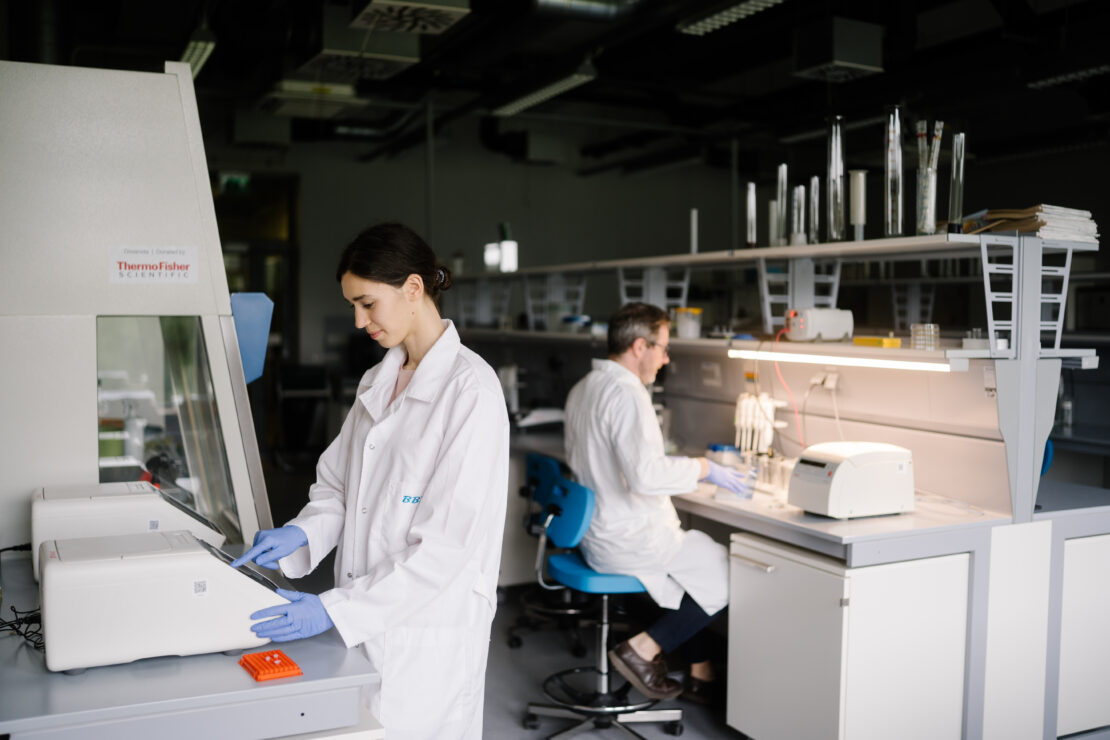
Lithuania isn’t just celebrating restored independence – it’s also marking 60 years since lasers were first used here for scientific research, a quiet anniversary that captures something big: the country has transformed long-term scientific talent into a globally recognised specialty. With around 2,500 scientists working in lasers and photonics, Lithuania now boasts one of Europe’s highest concentrations of expertise in the field – a key reason it’s now confidently called a “laser nation.”
1990 was the decisive pivot. Independence didn’t only change politics; it forced laser science to stand on its own feet. What began in laboratories became an export industry – built on precision, reliability, and reputation in global markets.
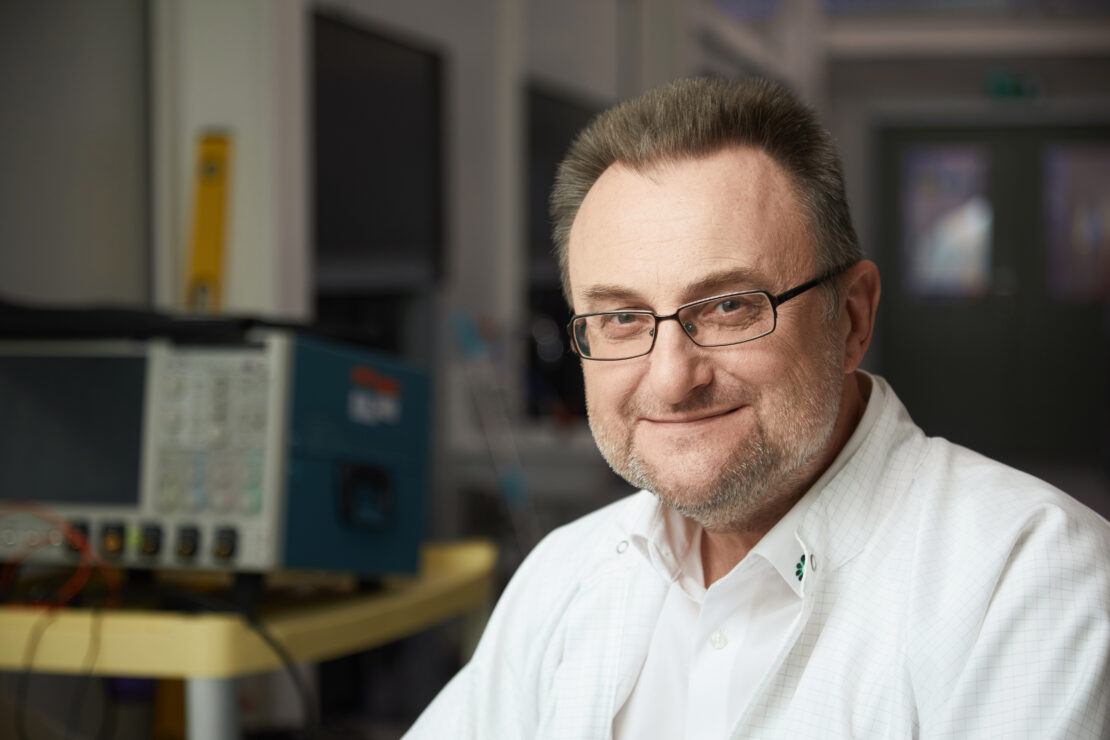
A flagship example is EKSPLA, one of Lithuania’s leading laser manufacturers. Kęstutis Jasiūnas, an EKSPLA executive and one of the people shaping the company’s technology direction, says Lithuania’s strength is not in mass production but in the hardest segment to master: ultrashort-pulse lasers. “We are among the strongest in ultrashort-pulse lasers. It’s not a mass market – it’s high-value technology, and Lithuania has built a real advantage here,” Jasiūnas says.
The “but”: the frontier is harder than the catch-up
The next phase will be tougher than the last. Convergence slows as countries approach the productivity frontier; demographics tighten labour supply; and security risks on NATO’s
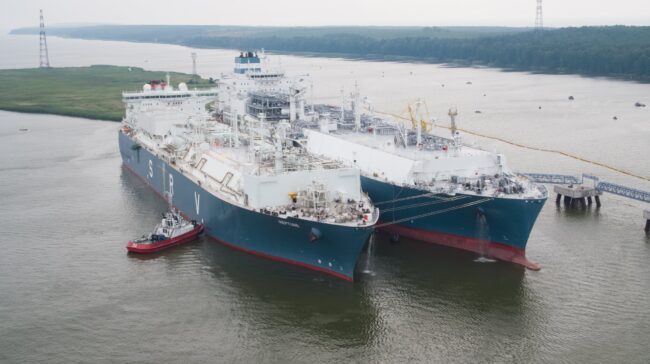
eastern flank are not abstract – they shape investment decisions, insurance costs, and public budgets. Energy infrastructure, too, becomes a target in an era of hybrid disruption, increasing the premium on protection and redundancy.
Yet Lithuania enters this harder decade unusually well-positioned for a small state: deeply embedded in EU institutions and markets; attractive to long-term capital; increasingly specialised in high-value services and security-adjacent tech; and already converting resilience into infrastructure rather than rhetoric.
“Despite all these achievements, sustaining competitiveness requires pushing the boundaries of innovation. While startups and high-tech niches generate the headlines, national economic growth also requires upgrading the traditional industrial base. As labour costs rise, traditional manufacturing can no longer compete on price alone. Accelerating digital transformation and automation – integrating advanced data analytics, robotics, and artificial intelligence – will be critical to maintaining global competitiveness,” explains Budreika.
March 11 is, first and foremost, a celebration of freedom. But it is also a reminder that economic success is built the same way as sovereignty: through long-term choices, institutional discipline, and willingness to adapt.