Lithuania’s membership in the European Molecular Biology Laboratory (EMBL) represents a transformative step in the country’s scientific development. Since joining EMBL in 2019, Lithuania has embraced new opportunities to contribute to international research, access cutting-edge technologies, and nurture the next generation of scientific leaders.
A Turning Point for Lithuanian Science
Joining EMBL—a globally renowned organisation for life sciences—was a historic milestone for Lithuania. This partnership has elevated the country’s scientific capabilities, enabling researchers to engage in world-class collaborations and tackle some of the most pressing challenges in biology and biotechnology.
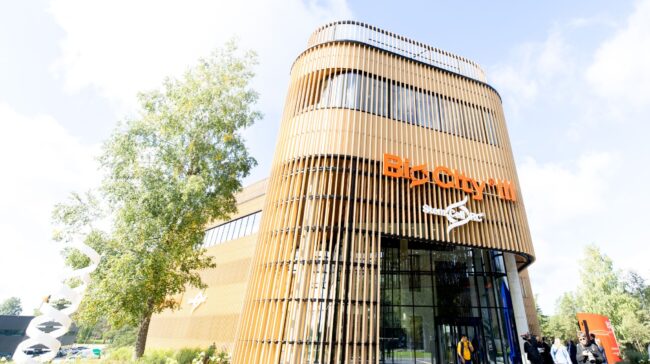
The establishment of the EMBL Partnership Institute at Vilnius University’s Life Sciences Center has further solidified this collaboration. The institute serves as a hub for pioneering research, developing innovative technologies, and providing young scientists with opportunities to thrive in an international environment.
“Lithuania’s membership in EMBL has opened the door to transformative opportunities. It’s a testament to how global partnerships can empower local talent and elevate a nation’s standing on the global scientific stage,” says Prof. Vytautė Starkuvienė-Erfle, the first Lithuanian to complete an internship at EMBL.
Celebrating Science Through Collaboration
On 2 December, the Lithuanian Academy of Sciences in Vilnius will host a symposium to mark two significant milestones: the 50th anniversary of EMBL and five years of Lithuania’s membership in the organisation. This event underscores the importance of international cooperation in advancing life sciences and innovation.
Keynote speakers, including EMBL Director General Prof. Edith Heard and other renowned scientists, will discuss the latest advancements in molecular biology, the role of emerging technologies like artificial intelligence, and the importance of open data in research. A panel discussion, “Life Sciences and Technology: What’s Next?”, will bring together leading experts to explore the future of this rapidly evolving field.
Science as Art: Inspiring Curiosity
The event will also feature a unique exhibition, Exploring and Creating: Science as Art. Combining high-resolution microscopy images from EMBL’s Imaging Centre with creative works by Lithuanian schoolchildren, the exhibition showcases the intersection of science and creativity. It aims to inspire visitors to view science not just as a field of study but as a source of wonder and imagination.
Lithuania’s partnership with EMBL demonstrates how international collaborations can drive innovation and empower nations to make meaningful contributions to global science.