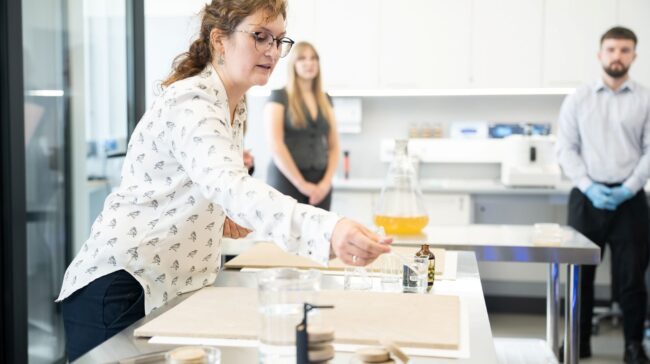
Kaunas University of Technology (KTU) researchers, together with the University of Lodz (Poland) and the University of Aveiro (Portugal), are leading the international project “From Waste to Opportunities: Sustainable Food Waste Management Methods (WOSAF)”. Supported by the ECIU University alliance under the SEED programme, the team is developing innovative ways to turn fruit and vegetable by-products into valuable ingredients for cosmetics, supplements, packaging, and more.
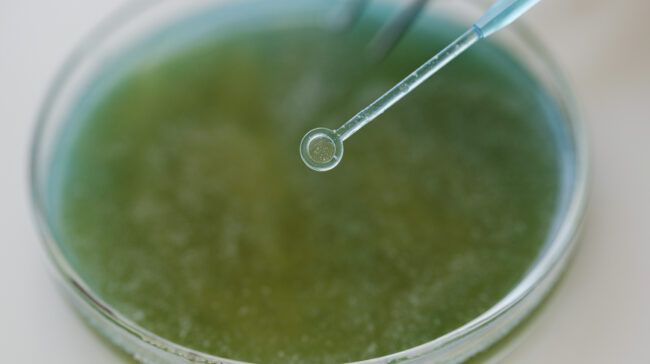
“A significant portion of valuable bioactive compounds remains unused – often left in peels, seeds, or fruit pulp,” says Assoc. Prof. Dr. Milda Pukalskienė of KTU’s Faculty of Chemical Technology. “We are finding ways to recover these compounds and give them a second life in high-value products.”

Instead of discarding plant-based side streams, the team extracts bioactive compounds for use as natural preservatives, functional food ingredients, or active agents in skincare. One standout innovation is edible plant-based packaging films, offering an eco-friendly alternative to plastic. Potential applications also extend to biotechnology, pharmaceuticals, and even textiles.
Some solutions are already market-ready — such as antioxidant-rich raspberry seed oil and natural-color black carrot extracts — while others could reach consumers within a few years.
“Younger generations are increasingly aware of sustainability and open to innovative products. Involving students in this research helps prepare future experts who will carry these solutions forward,” adds Dr. Pukalskienė.
By proving that food industry waste can become high-value, sustainable products, KTU scientists and their partners are showing how innovation can deliver both environmental benefits and economic growth.