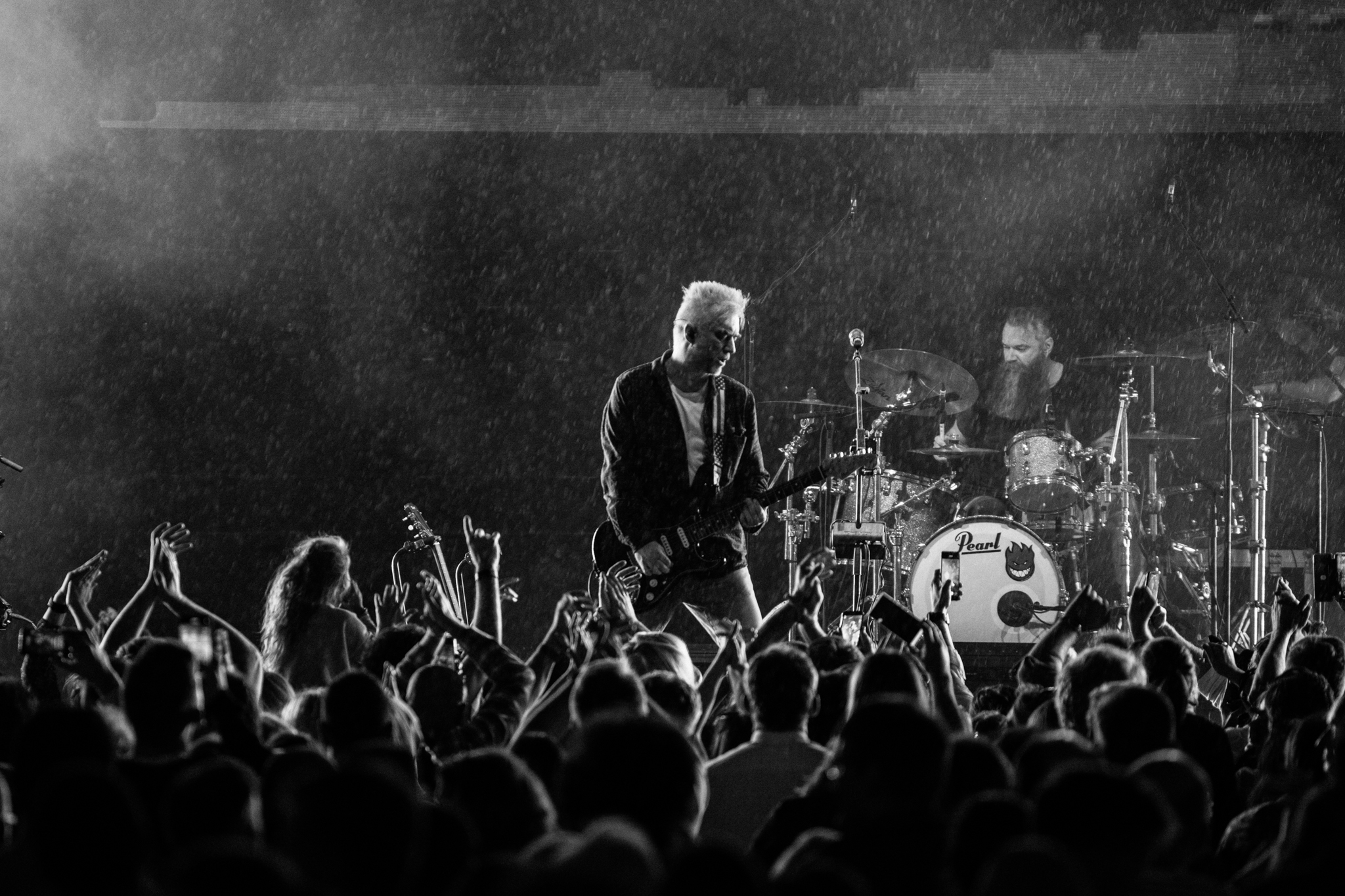
“It feels really good to be part of the Lithuanian music scene. When I started taking my first steps as a professional drummer at the age of 15, I was blown away by the support from more experienced peers who showed great patience and encouragement toward me as an aspiring musician.” Dominykas Babikis, drummer with rock band, ba.
This is the second part of a two-part series on the history and evolution of Lithuanian popular music. Part 1 explored the roots of the scene and its raise after independence. Part 2 continues with the key figures and spaces shaping its future.
Giving the nation a voice through music
When it comes to contributions to the local scene, there is one name that towers above all others, Andrius Mamontovas. He is, in many ways, the through line that connects the beginnings of the scene to the rude health it’s experiencing now. From his heady days as frontman and singer for Foje, formed in 1984, and active until 1997, through to his successful career as a solo artist performing across the globe, he’s remained a leading voice. So, it should come as no surprise that when you ask him about the genesis of the scene, he is able to provide an illuminating take:
“Every country’s got its own take on art, right? It’s shaped by our history, our values, what we’ve all been through together. Lithuania’s definitely got its own story there. Back in the late 80s and early 90s, music here was basically our voice of rebellion against Soviet rule. It was raw, it was passionate, it was all about freedom and national identity.
After independence, we had to figure out who we were as Lithuania – not just as this former Soviet territory, but as our own creative nation. We needed to prove we could make world-class art and music, bring our own perspective to the global scene. And I think we’ve pulled it off, honestly. Over the past few decades, our music scene has just exploded, and Lithuanian artists across all genres are getting recognized internationally.
Being small actually works in our favor. Artists from different fields – musicians, visual designers, stage designers – we all collaborate really closely. So you end up with these complete artistic experiences, not just the music but the whole visual package. We’ve managed to hit those global standards pretty quickly, which really shows how driven and creative our scene is.”
Of all of Andrius’s many contributions to Lithuanian culture, the one that has arguably done most to stimulate the local music scene in particular is the Street Music Day that he was instrumental in getting up and running. What started as a Vilnius city wide celebration of music, where musicians of all persuasion are given the opportunity to play to crowds on the city’s streets and public spaces, has now spread to other towns and cities. Andrius himself explains the impetus:
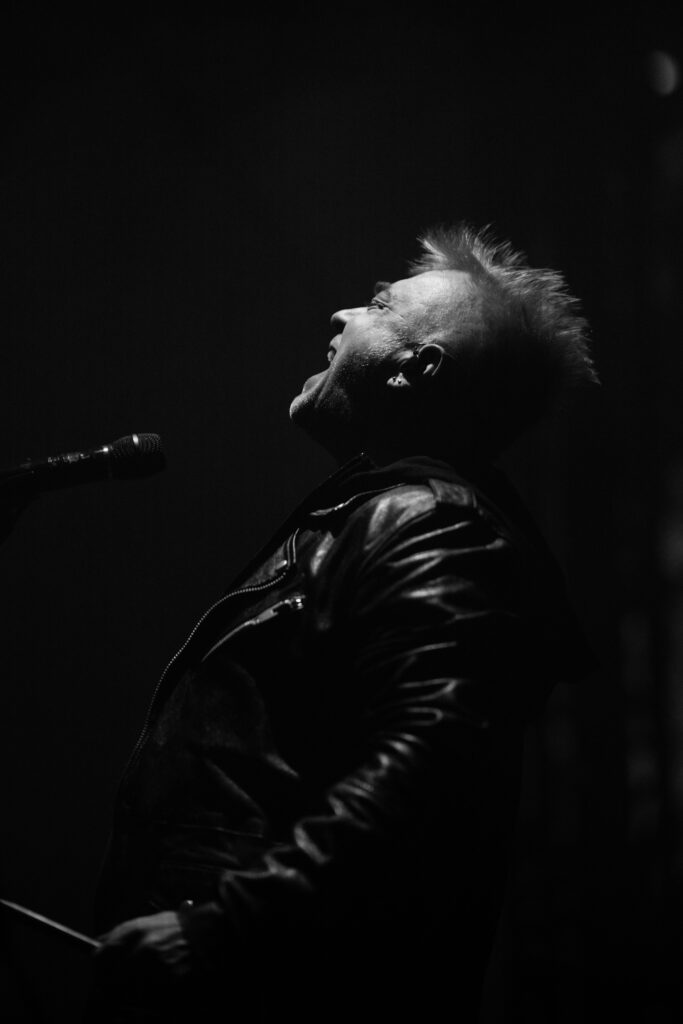
“You know, if you’d gone back a few decades, you hardly saw anyone playing music on the streets in Vilnius. But when I was touring around the world, I kept noticing how in so many cities there’s always someone out there with a guitar or whatever, just playing. And people would actually stop, smile, look genuinely happier when they stumbled across music in these unexpected spots. I thought, “Why don’t we have this back home?” That’s really where Street Music Day came from.
In 2007, the city was already gearing up for “Vilnius – European Capital of Culture 2009,” so I went to the mayor with this idea: let’s get every musician in the city out on the streets for one day. He loved it, gave it his backing, and we’ve been doing it every year since. What I love about it is that it actually did what we hoped – it’s become this thing where everyone belongs, you know? Doesn’t matter if you’re the one playing or just listening, you’re part of it. It’s also turned into this amazing launching pad for new artists to get noticed and show what they’ve got to a huge audience. The whole thing is just… open. Doesn’t matter how good you are, how old, who you are – it’s all welcome. But honestly, the best part is just seeing people discover music and watching them light up. That’s what it’s all about.”
Reclaiming the past to build the future
But what about today? What is being done to sustain the thriving scene that’s been built and give these new voices a space to be heard?
One of the most unique artistic initiatives to have appeared in Lithuania in recent years is Lukiškės Prison 2.0, the ambitious transformation of a former Prison complex in the centre of Vilnius into a dynamic arts hub. With its complex of studios, rehearsal spaces and stages, it’s acting as a nexus for new bands in the capitals. Not only that, it is also attracting a truly international and diverse community of performers. As Ieva Beliukevičiūtė, PR Head of the Community explains:
“We bring together the largest community of creators under one roof in Lithuania. Through exhibitions, concerts, and tours, we aim to engage people with the site’s complex history, spark dialogue on freedom and justice, and promote Vilnius on the global cultural map. We see this space not only as a cultural venue, but also as a platform for collaboration,
reflection, and the reimagining of the past into something hopeful and alive.
We’re proud to say that Lukiškės Prison 2.0 is home to over 650 artists in total, including residents of Vilnius, artists from across Lithuania, and even from abroad. We know that our community includes artists from countries such as Ukraine, the United Kingdom, France, even India, Mexico, and others. We value the diverse perspectives they bring and remain open and eager to welcome more artists from around the world.”
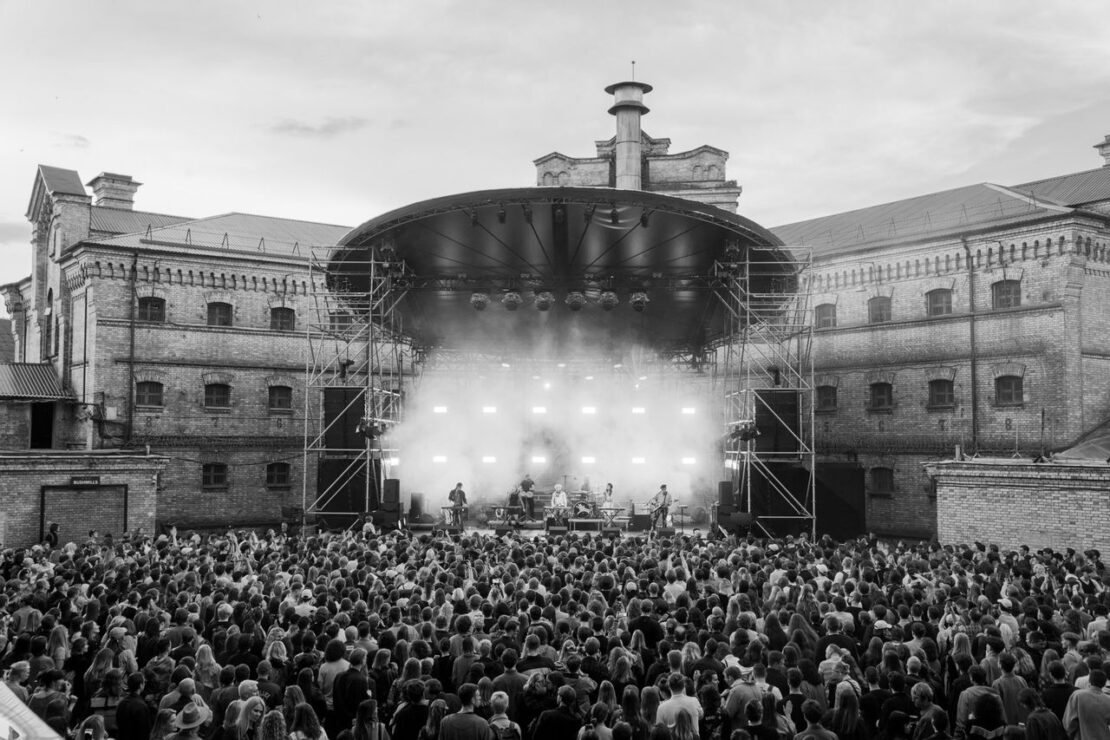
What’s more she is enthusiastic about the state of pop and rock in Lithuania, and clear about the central role that communities like Lukiškės Prison 2.0 play in the scene’s future:
“Over the past decade, the local music scene in Lithuania has evolved significantly. We’ve seen a notable rise in the number of homegrown bands and artists, particularly within the alternative and rock genres. Musicians are carving out distinctive voices and placing greater emphasis on the overall concert experience – not just musically, but atmospherically. More and more, local acts are headlining major venues and drawing large audiences. In other words, the local Lithuanian music scene is becoming able to compete with foreign artists.
At Lukiškės Prison 2.0, we witness this shift firsthand. We actively follow the local music scene and aim to support emerging talent whenever possible – by offering support slots for international acts or giving them the opportunity to perform on our stage, which for many is the biggest platform of their career so far. Supporting young and promising artists is not only something we value, but also a central part of our mission as a cultural hub.”
So, the future of the scene would appear to be in safe hands, then. It makes sense to leave the final words to Dominykas Babikas, drummer for Ba. and countless others. This is what he has to say about what makes the scene so special:
“The community is relatively small but very well connected — it’s rare to meet someone you or your colleagues haven’t worked with at some point in time. This creates a close-knit environment where people genuinely look out for each other and from the professional point of view it also keeps everyone accountable as word travels fast. The social aspect is like the cherry on top — the people I meet in the backstages of festivals and concerts are the same people I meet for a coffee on days off. Overall, it’s a very open, supportive, and encouraging space to be in.”