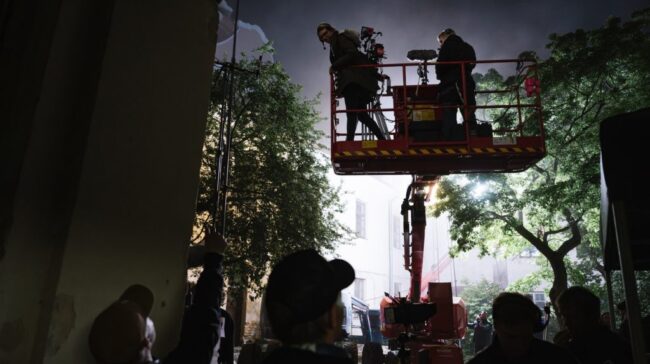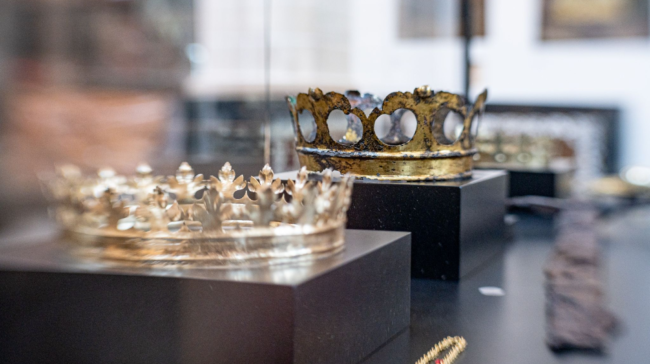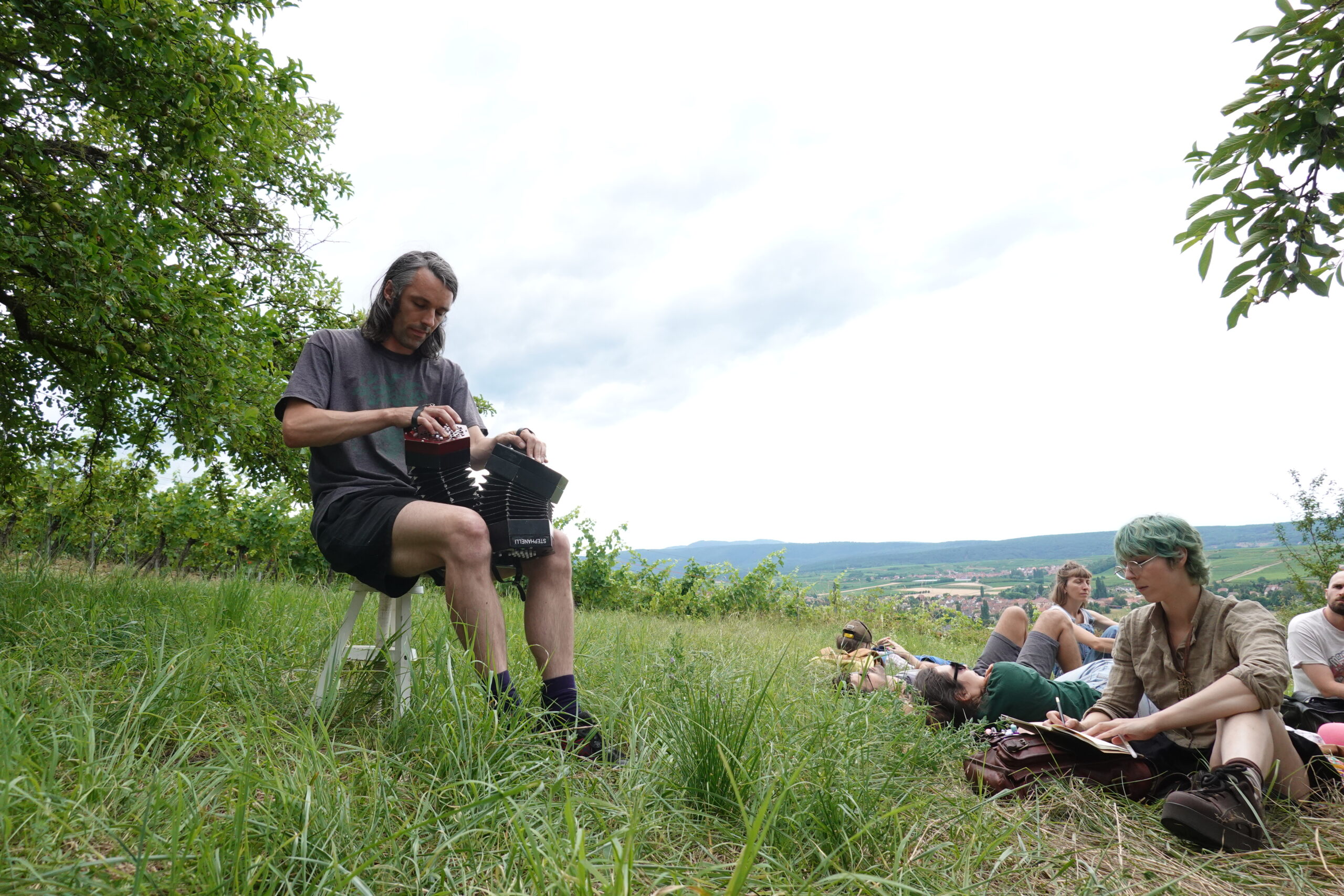
To say that the experimental music and performance art scene in Vilnius (and by extension Lithuania) is in rude health would be an understatement. With the launch and growth of hubs and communities like Sodas 2123 and Studium P, as well as the legacy and continued success enjoyed by the Braille Satellite experimental music festival, the scene has never been so expansive, diverse and international. It’s here that you can find the joy, chaos, and endless spirit of inquiry that unrestricted expression allows to flourish. If we are looking for the purest expression of that Lithuanian co-creating spirit, it’s here.
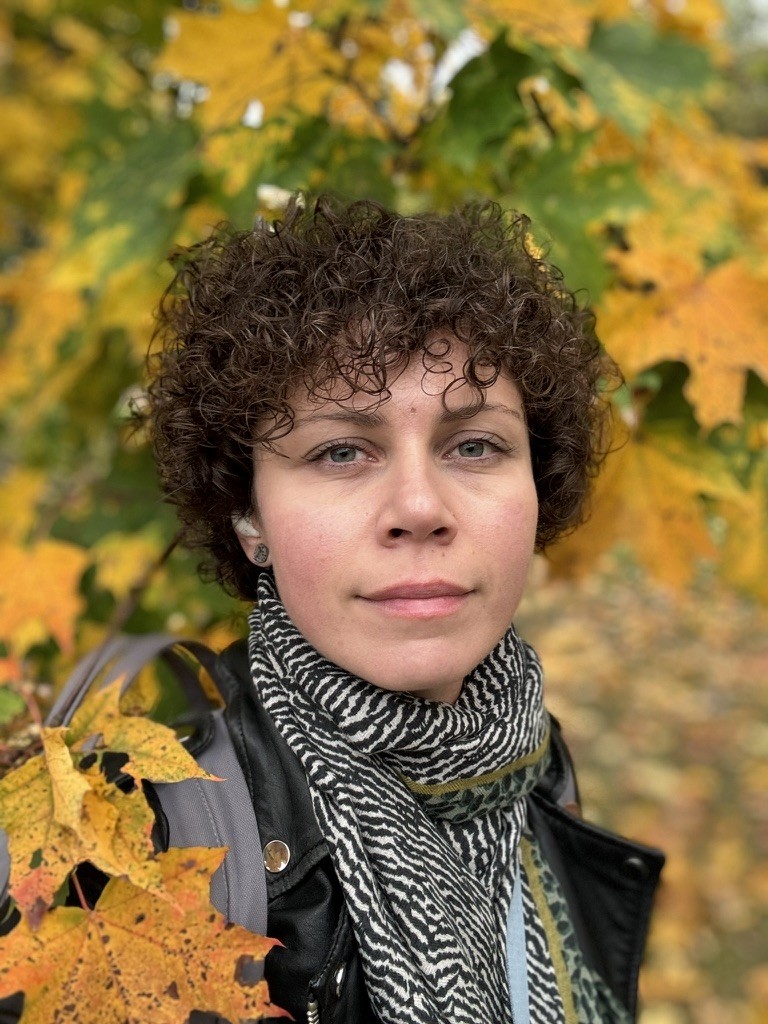
This article is the first in a two-part series, exploring two of the scene’s leading lights and voices shaping Lithuania’s experimental scene. Here, we speak with Radvilė Buivydienė, Director at Music Information Centre Lithuania.
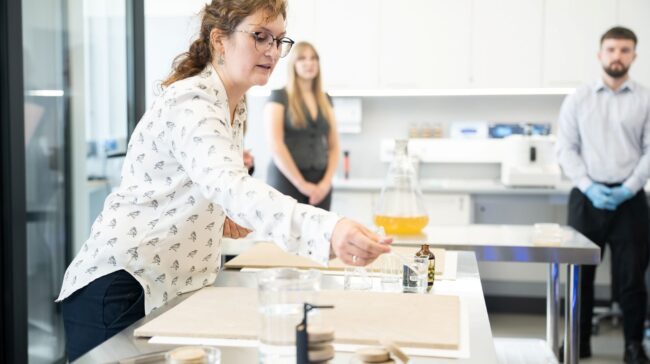
In her role as Director of Music Information Centre Lithuania, Radvilė works to promote Lithuanian music in all its forms through concerts, publications and residencies.
Radvilė, how do you think the music scene has changed since you started in your position? Has it grown?
We have maybe three camps of musicians that we work with. The first one of the older generation of composers, a lot of them have been working for a long time in the academic contemporary music field. And then we have people who are playing music without any musical training at all – doing sound art or using sound as part of their installations. We have a huge part of the scene that’s basically a DIY community. There are also a lot of artists – painters, ceramicists, and other fields of artists – who use sound as part of their work. The last group would be the hobbyists. I’d say the first and last group is shrinking but there’s been this crazy growth in the DIY scene. I don’t really know what I’d call them but I love them.
They don’t think you need to have a diploma to be an artist. It’s about the music. It’s about quality. But most of all it’s about community. I think that’s the base. It’s everything. And festivals like Braille Satellite are doing so much to promote experimental music from all over the world, it’s like their mission. Creating this global community of people who love sound and share the same inclusive and welcoming approach to each other. And when Sholto (Dobie) arrived, he brought a new network, and also found some funding and institutional support. That funding is kind of symbolic, but it has meaning. And now a lot of the events are being accepted into the Lithuanian Composers Union, which is kind of ironic but cool.
And what about the composition of the artists in today’s scene?
Well, I think there’s a different perspective brewing, it’s more international. It’s because some people go to study abroad and then they bring knowledge back home and invite some friends. So sometimes it’s just natural processes happening, but I think something’s changed in the mindset of people. I see that more and more people come just to listen to the music. They don’t care about diplomas, they don’t care about the establishment or things like that – they just want to dig deep and have these emotions that they want to experience during the event. And yeah, it’s getting more and more liberal.
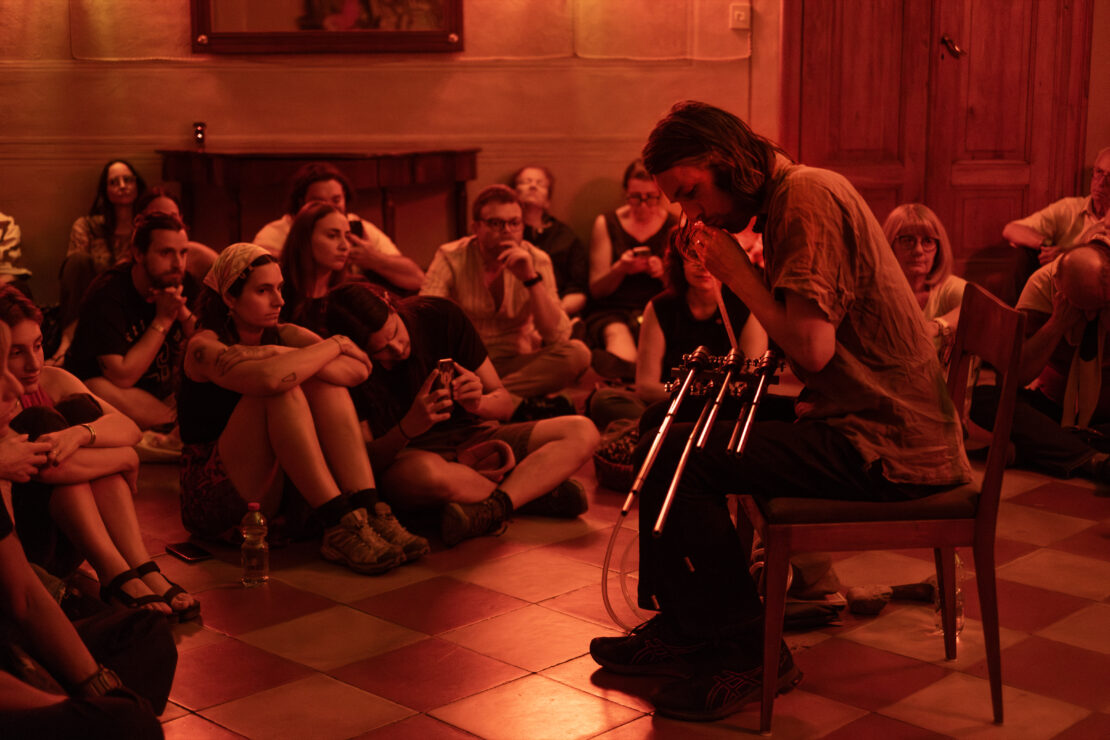
It’s about being a community and digging deep into undiscovered material, lo-fi things, and just slowing down the crazy tempo of everyday life. So sometimes it’s not about the music itself – it’s just a lot of layers, and they are all important to this community. And this energy and sense of new potential is connecting with the Lithuanian Composer’s Union, who are now accepting foreign musicologists and composers. So, it’s not just the scene but the “formal” organisation that is becoming more global.
What is it about the scene that is connecting it to a more global audience?
It’s the people, the personalities, and the human resources. I say this because we are in partnership with the Huddersfield Contemporary Music Festival. The creator, the head of the festival, Graham McKenzie, is Scottish. He did some visits and research trips here, and I was so interested to assist him and show him around. We did a lot of tours around the city – basements, concert halls, festivals, studios, everything. He was interested in people and the way they think, and it’s not about traditional instruments or national school of arts or anything like that. People are not interested in this. Huddersfield has been a great opportunity for us. Last year, Lina Lapelytė, the Venice Biennale winner, was artist in residence.
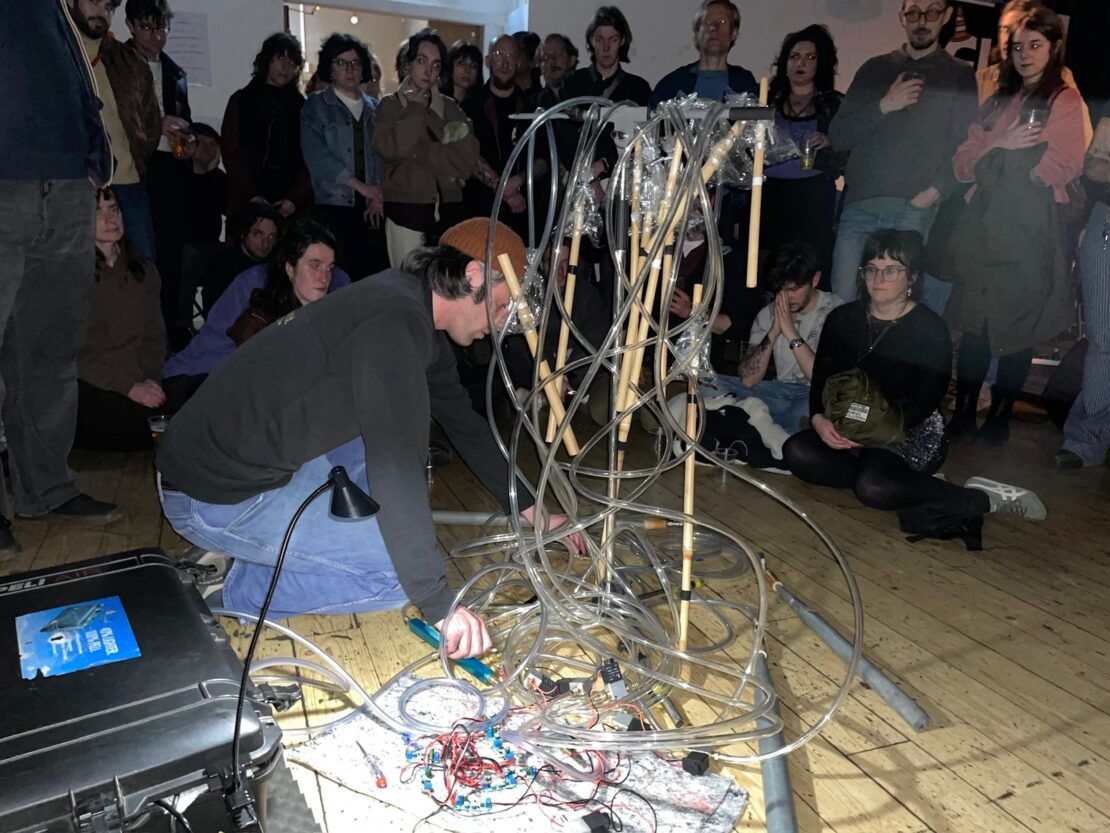
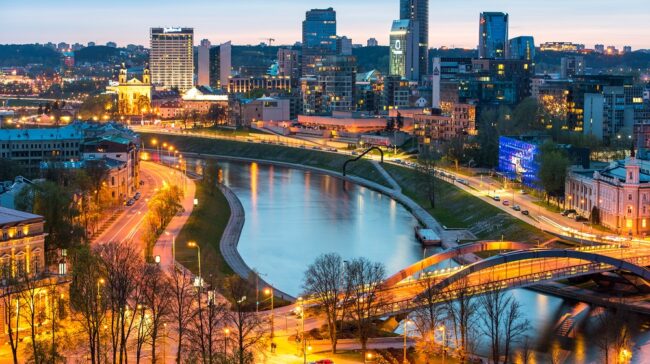
He said that people are very willing to take risks and experiment. Also, it’s about collaboration. People tend to connect different media in their work. Also, it’s about the platform of Vilnius – it’s a small city, and everybody knows each other, so it’s very fruitful because we can just call and meet a person in 15 minutes. So, a lot of things change and emerge because we have this network. In fact, I was quite surprised that there’s this thing about Vilnius being “a little Berlin” emerging. People in Europe see it, they feel it, because the ideas that our artists bring to the table have this broad perspective and are engaging. We’ve been doing this partnership with Huddersfield for three years, and Graham asked personally to extend it for three more years, because it was so fruitful and there was so much to reveal to the audience in the UK.
To learn more about Lithuania’s lively experimental music scene, visit https://www.mic.lt/en/.