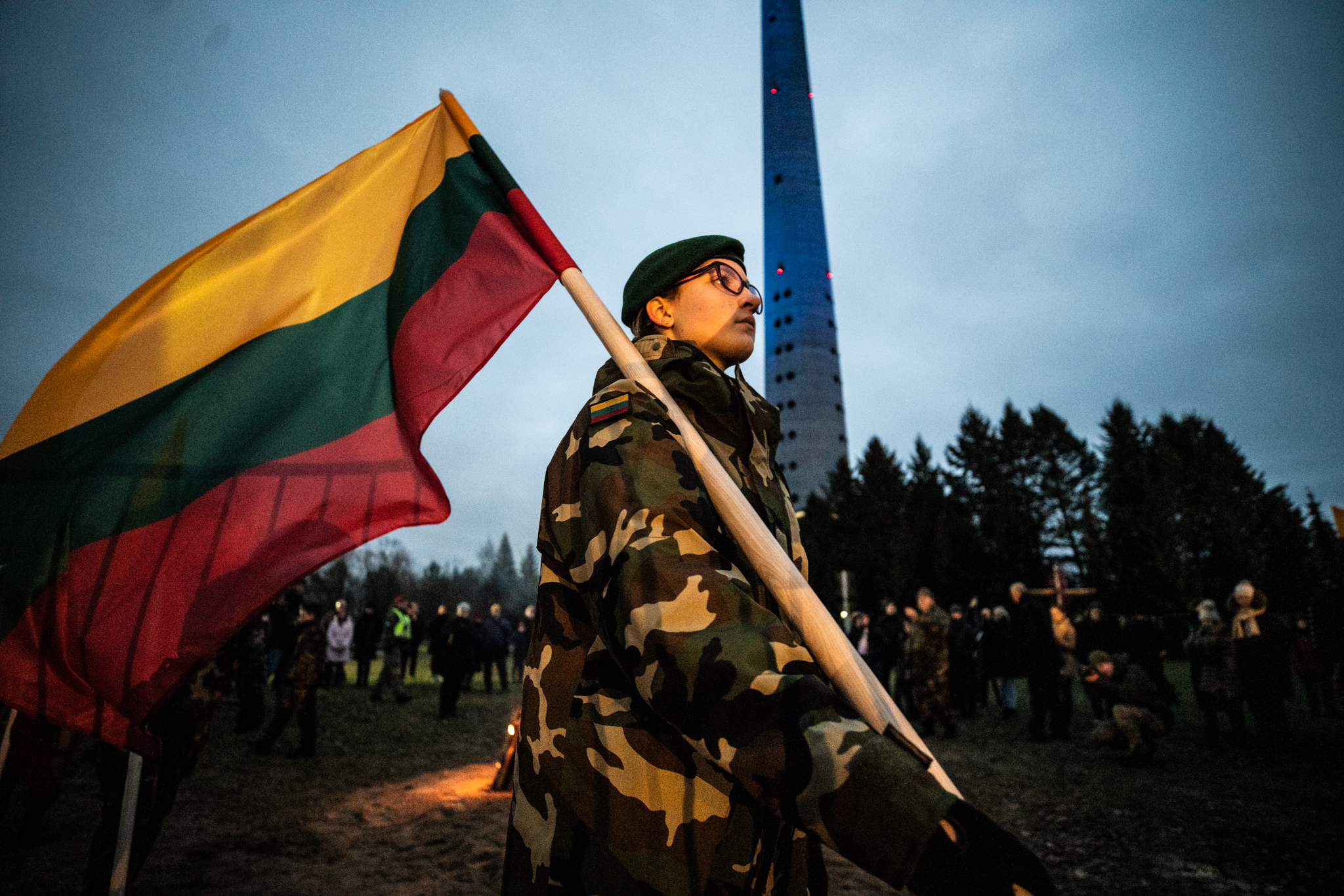
This year, Lithuania commemorates the 35th anniversary of January 13 – a tragic date that marked the country’s last battle against the oppressor that had controlled the country’s fate for five long decades. Although the events of that night were painful and cost lives, they ultimately serve as a reminder of a country that cannot and will not be pushed around.
The events unfolded on the night of January 13, 1991, when Soviet tanks rolled into Vilnius and troops stormed the Television Tower to silence Lithuania’s voice. Lithuania had already declared independence in March 1990, becoming the first nation to break free from Soviet control, but Moscow was determined to pull it back in.
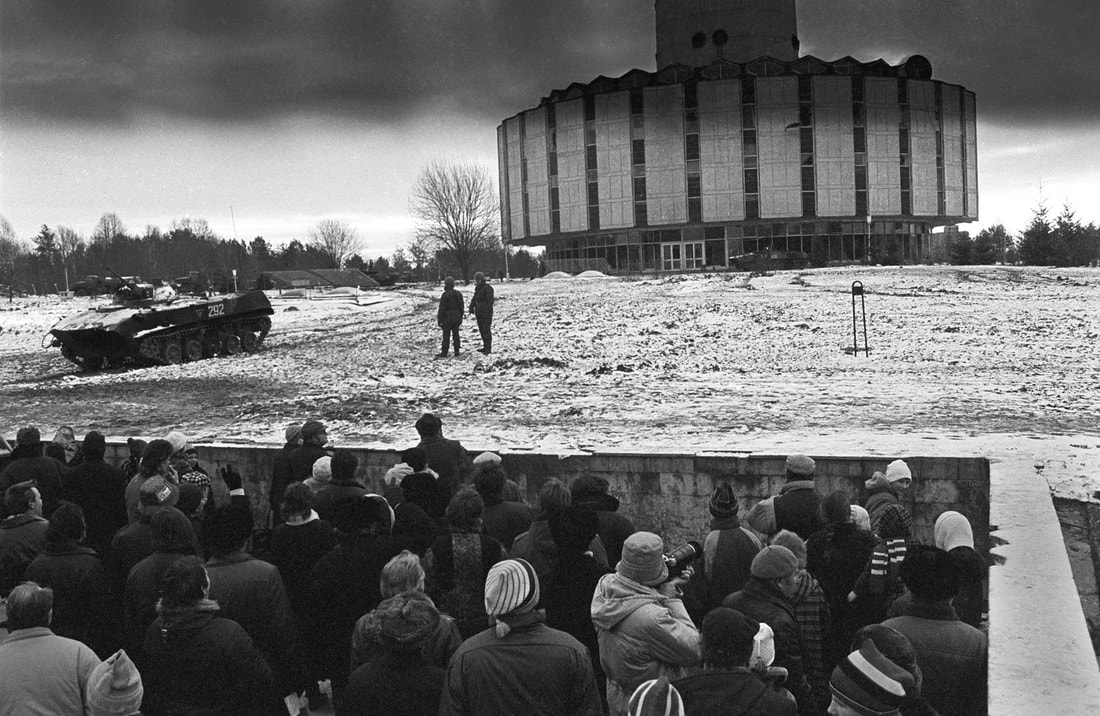
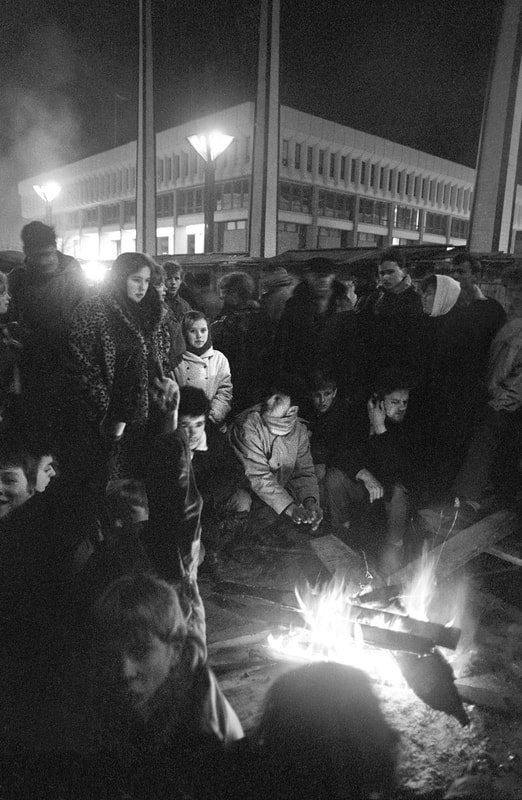
That night, fourteen unarmed civilians were killed at the Vilnius TV Tower, and hundreds were wounded as people formed human shields there and at other key sites, including the Radio and Television Committee and the Supreme Council (Parliament). Meanwhile, the Parliament building – where elected leaders had gathered to face whatever came – was surrounded by makeshift barricades of concrete blocks and trucks, defended by thousands of ordinary citizens who refused to leave. The people held their ground, and their defiance sent a message far more powerful than any broadcast the Soviets had hoped to silence.
A unique case in history
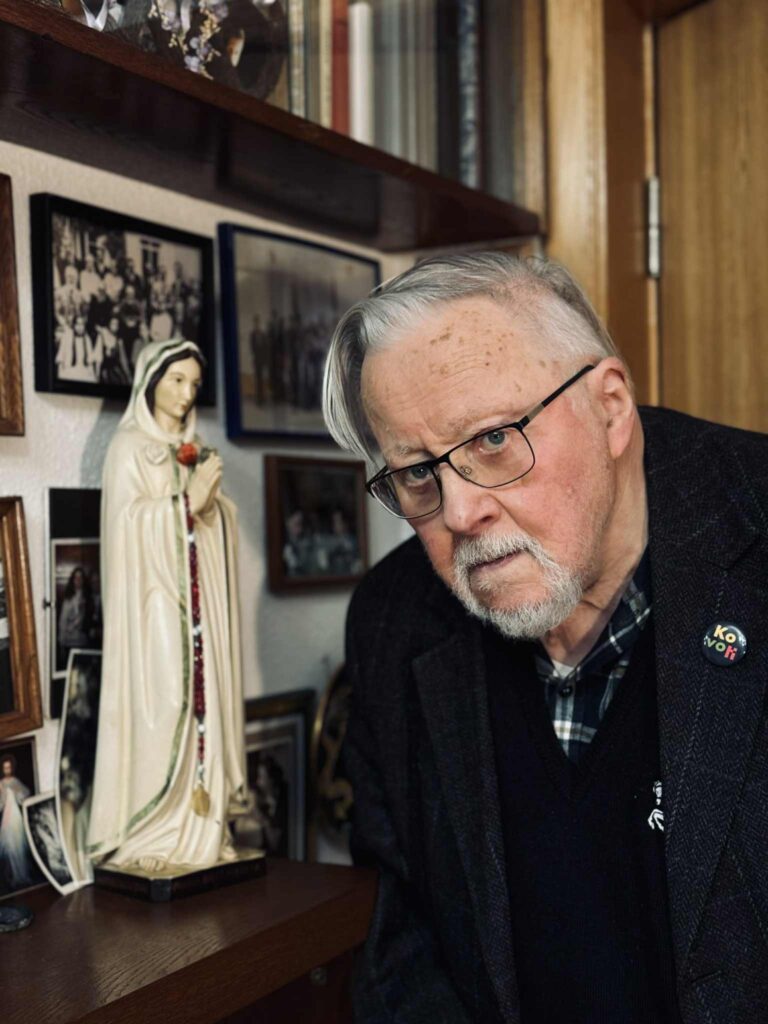
Vytautas Landsbergis, who as Chairman of the Supreme Council became the face of Lithuania’s independence movement and remained in the Parliament building throughout the siege, emphasises that the January 13 resistance was, first and foremost, a decision of the people, not of politicians.
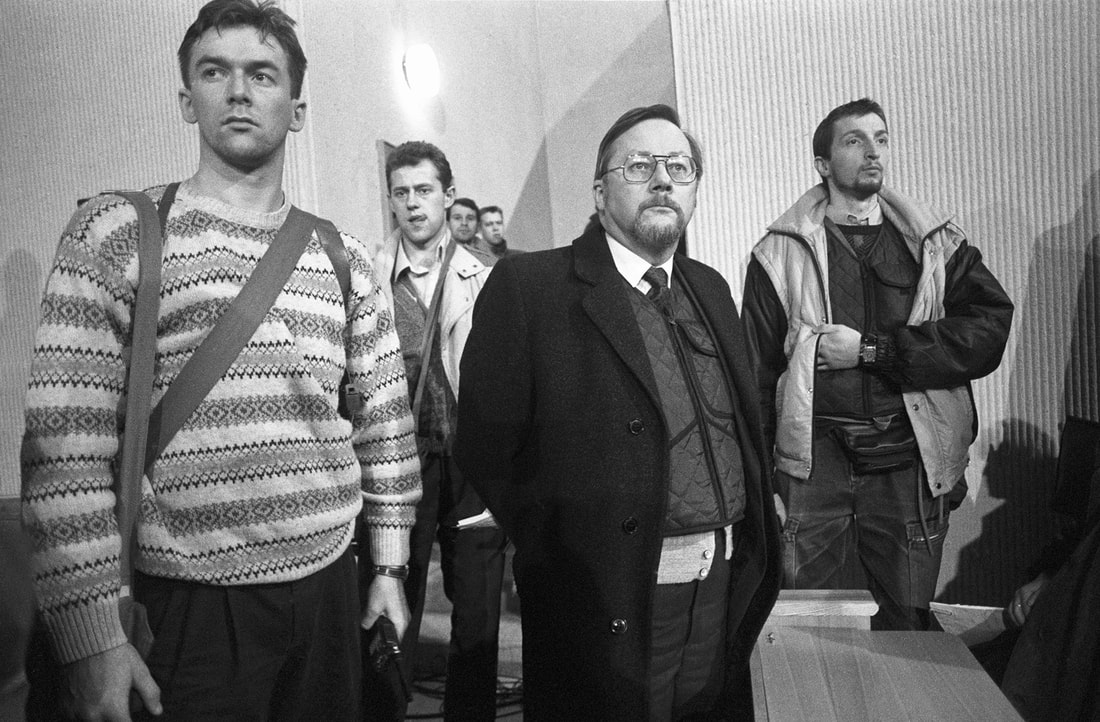
“The people said they wouldn’t let anyone come and trample them again. Politicians rejected Gorbachev’s ultimatum, but much more important is that thousands of people rejected Soviet cynicism and didn’t yield to brutality. When they said no, the aggressor was forced to step back. That’s quite a unique case in history,” he emphasises.
The spirit of fraternity
“In that fateful hour, the sense of duty and civic responsibility was so strong that there was no question whether to resist or not,” says Romas Vitkauskas, who took part in the defence.
It is perhaps symbolic that Romas still sees the Seimas (Parliament) building nearly every day – the place where he spent one of the most memorable and significant months of his life 35 years ago. Today, he works across the street, so through his office windows he can easily see Independence Square and the Lithuanian flags flying there.
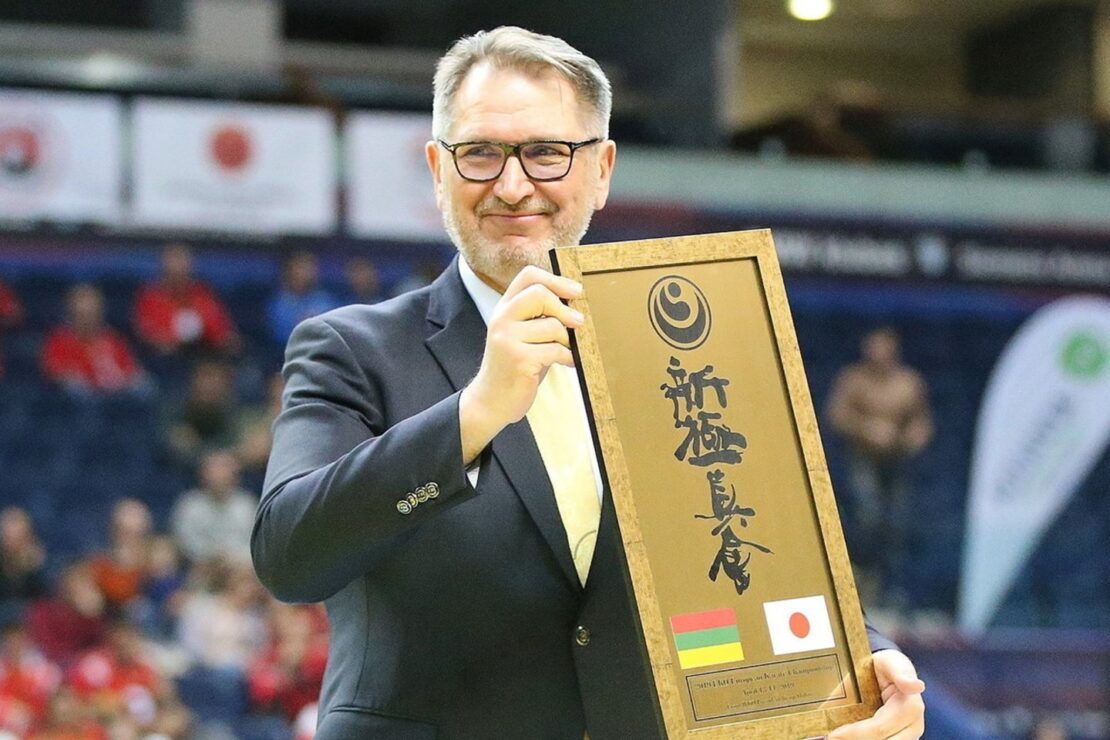
Together with his compatriots, he carried out a very important task – protecting the Supreme Council members, but today he doesn’t overstate his actions at all. According to him, he and his colleagues simply did what they had to do.
Recalling the days that brought him to this place, he simply shrugs and says he feels grateful to fate and to God that he had the honour of playing his part. His story began with a call from Rolandas Razulevičius, a representative of the Defence Staff. At that time, officers were already guarding the Supreme Council, but they were still short on people.
“I was asked to join, and I did not hesitate, not for a moment. We discussed it and started gathering a team of people we could trust. Everyone in our little team knew each other, and that was a great advantage. We were all into karate and other martial arts, we went hiking and camping together. Besides, we were all united by a strong sense of civic duty and responsibility,” recalls R. Vitkauskas.
1990–91 was a very tense period for Lithuania, when the entire country lived under conditions of great uncertainty. In such a situation, it’s natural to feel fear and anxiety. Explaining how the defenders managed to cope, he emphasises that his team had the right skills.

“Whether it’s practising martial arts or climbing mountains, it’s very important to learn to overcome fear. And that’s easiest to do when you know what you’re getting into. In this case, we all understood very well where and why we were going,” he says.
An unprecedented act of defiance
In those days, few people questioned whether it was worth fighting. In fact, some people even had to be held back. Romas remembers students who practised martial arts arriving at the Seimas in January, very eager to join the defence efforts. The defenders sent them home, but they eventually ended up in the little village of Sitkūnai, where a backup radio station operated, from which broadcasts to the outside world were revived on January 13.
“There was a very clear understanding that we, ordinary people, were taking part in making history. We knew we had a certain duty to fulfil. Seeing the determination of our leaders and those thousands of people in the streets made it crystal clear. Special credit goes to the Supreme Council Chairman Vytautas Landsbergis himself. He showed an exceptional, unconquerable spirit. It was very contagious. Seeing that, those around him automatically resolved to stand their ground to the end,” he recalls.
Why January 13 matters today
According to Professor Landsbergis, January 13 is an excellent example proving that any state’s resistance to violence is important, because it can become the very best example of self-worth and self-determination – of who you are and want to be.
“They asked us whether we were willing to become slaves. Lithuania said no – bring two more tank divisions, if you want, but we will not surrender. That happens very rarely in history. There were philosophers then (there would be even more today) saying how unreasonable it was, how many people would die… But people want to be human beings, not just two-legged creatures walking the Earth and speaking Lithuanian while it is still allowed. They understood their worth at a much deeper level,” Professor Landsbergis is convinced.
Romas Vitkauskas recalls that the tension reached its peak during the storming of the Television Tower. That night was the ultimate test for all defenders, and they withstood it.
“You have to remember that there were no mobile phones at the time, all communication was limited – information reached us later, in chunks. But we heard that people were already dying, so we started preparing. A very motivating, unifying moment was when all the MPs returned to the Seimas. It showed their very clear determination. We also remembered what had happened in Baku, in Tbilisi. But the spirit of the defenders was very strong,” he says.
And that spirit prevailed. Of course, such events not only remain in memory forever but also create lifelong friendships. The people who guarded the Seimas with Romas still stay in touch.
“We make sure to meet at the symbolic formation on January 12th. We used to get together several times a year for lunch and had a tradition where everyone would tell a short story about what they did during those days. We learnt so much, because everyone was busy with their own tasks and didn’t see what others were doing. Those hours of listening to others flew by in an instant,” says Romas.
Over the past three and a half decades, a generation has already grown up that knows about the atmosphere of those days only from stories. Can they understand what those days were really about? Romas is convinced that at least partially – yes.
“I strongly encourage everyone to come to the Seimas for the commemoration event, when bonfires are burning here, when there are crowds of people. Then you at least partially feel that atmosphere that both uplifts you and reminds you of your duty,” he says.